


I built a fitness system that transformed my own body then, made it an app because strangers asked how I grew.
I built a fitness system that transformed my own body then, made it an app because strangers asked how I grew.
I built a fitness system that transformed my own body then, made it an app because strangers asked how I grew.
I built a fitness system that transformed my own body then, made it an app because strangers asked how I grew.
I built a fitness system that transformed my own body then, made it an app because strangers asked how I grew.
I built a fitness system that transformed my own body then, made it an app because strangers asked how I grew.
PATI—a "backronym" for "personal training artificial intelligence"—is an AI fitness app I conceptualized, designed, and engineered as the founder. I had a prototype that allowed me to plan workouts granularly and track my macros on a daily basis against benchmarks. I gained over 50 lbs of lean muscle using the prototype. Strangers at the gym starting asking how I got my results. I saw the gap—the prototype I built was built for me and not the average lifter. It needed to simplified. No fitness app on the market connected a user's goals to their workouts in real time so, I took people's interest as a signal to build. I designed and built an MVP end-to-end, including the developing the product strategy, brand identity, product design and engineering, then validated it with 5 qualitative user-tests. PATI proved that users immediately understood the goal-setter as something no other app offered and wanted more direction in their workouts.
PATI—a "backronym" for "personal training artificial intelligence"—is an AI fitness app I conceptualized, designed, and engineered as the founder. I had a prototype that allowed me to plan workouts granularly and track my macros on a daily basis against benchmarks. I gained over 50 lbs of lean muscle using the prototype. Strangers at the gym starting asking how I got my results. I saw the gap—the prototype I built was built for me and not the average lifter. It needed to simplified. No fitness app on the market connected a user's goals to their workouts in real time so, I took people's interest as a signal to build. I designed and built an MVP end-to-end, including the developing the product strategy, brand identity, product design and engineering, then validated it with 5 qualitative user-tests. PATI proved that users immediately understood the goal-setter as something no other app offered and wanted more direction in their workouts.
PATI—a "backronym" for "personal training artificial intelligence"—is an AI fitness app I conceptualized, designed, and engineered as the founder. I had a prototype that allowed me to plan workouts granularly and track my macros on a daily basis against benchmarks. I gained over 50 lbs of lean muscle using the prototype. Strangers at the gym starting asking how I got my results. I saw the gap—the prototype I built was built for me and not the average lifter. It needed to simplified. No fitness app on the market connected a user's goals to their workouts in real time so, I took people's interest as a signal to build. I designed and built an MVP end-to-end, including the developing the product strategy, brand identity, product design and engineering, then validated it with 5 qualitative user-tests. PATI proved that users immediately understood the goal-setter as something no other app offered and wanted more direction in their workouts.
Today's fitness apps are great at tracking what you did but, none tell you how to close the gap on your dream physique.
Today's fitness apps are great at tracking what you did but, none tell you how to close the gap on your dream physique.
Today's fitness apps are great at tracking what you did but, none tell you how to close the gap on your dream physique.
Today's fitness apps are great at tracking what you did but, none tell you how to close the gap on your dream physique.
Today's fitness apps are great at tracking what you did but, none tell you how to close the gap on your dream physique.
Today's fitness apps are great at tracking what you did but, none tell you how to close the gap on your dream physique.
The fit-tech market is a $10.6B industry growing at 13.9% CAGR (well over the suggested 5% for healthy industry growth). It's crowded with apps that do the same thing—some log your workout, show you a chart and repeat. Other only track macros. Three problems go unaddressed across all of them.
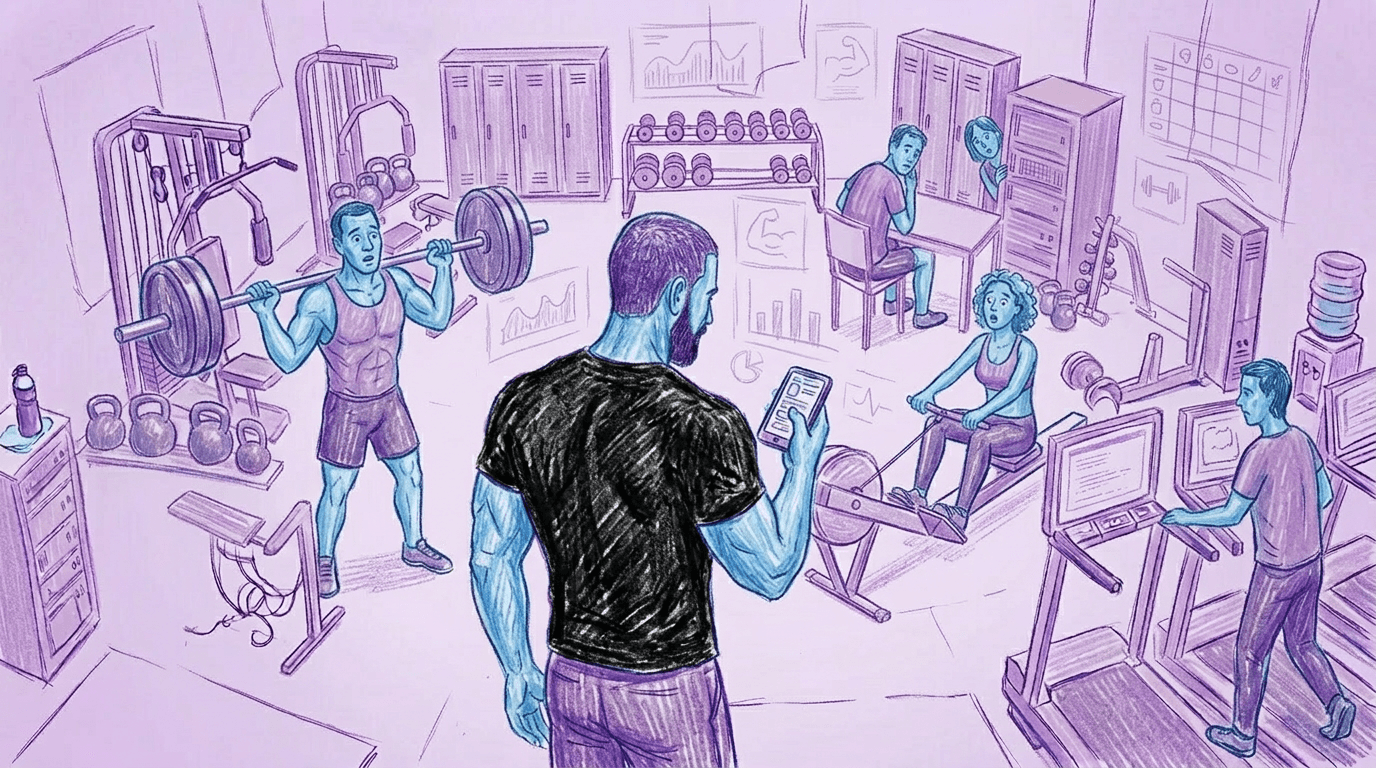
Most lifters can't identify muscular imbalances. This is by far the highest hurdle to sustainable gains. When your body is imbalanced, it leads to slowed growth and increased likelihood for injuries. When process stops, people panic and start "ego-lifting," overdoing workouts or abandoning exercise all together. They may also blame their genetics or discipline when the real issue is a lack of diagnostic feedback.
Personal training is expensive. Without it, gym-goers self-coach with poor form and no accountability for years.
Today's fitness apps are focused on historic data (ex. what you did last week or in the past year); there are little-to-no foresight capabilities. Users have no way of understanding how today's workout or meal connects to tomorrow's physique.
The fit-tech market is a $10.6B industry growing at 13.9% CAGR (well over the suggested 5% for healthy industry growth). It's crowded with apps that do the same thing—some log your workout, show you a chart and repeat. Other only track macros. Three problems go unaddressed across all of them.
Most lifters can't identify muscular imbalances. This is by far the highest hurdle to sustainable gains. When your body is imbalanced, it leads to slowed growth and increased likelihood for injuries. When process stops, people panic and start "ego-lifting," overdoing workouts or abandoning exercise all together. They may also blame their genetics or discipline when the real issue is a lack of diagnostic feedback.
Personal training is expensive. Without it, gym-goers self-coach with poor form and no accountability for years.
Today's fitness apps are focused on historic data (ex. what you did last week or in the past year); there are little-to-no foresight capabilities. Users have no way of understanding how today's workout or meal connects to tomorrow's physique.
The fit-tech market is a $10.6B industry growing at 13.9% CAGR (well over the suggested 5% for healthy industry growth). It's crowded with apps that do the same thing—some log your workout, show you a chart and repeat. Other only track macros. Three problems go unaddressed across all of them.
Most lifters can't identify muscular imbalances. This is by far the highest hurdle to sustainable gains. When your body is imbalanced, it leads to slowed growth and increased likelihood for injuries. When process stops, people panic and start "ego-lifting," overdoing workouts or abandoning exercise all together. They may also blame their genetics or discipline when the real issue is a lack of diagnostic feedback.
Personal training is expensive. Without it, gym-goers self-coach with poor form and no accountability for years.
Today's fitness apps are focused on historic data (ex. what you did last week or in the past year); there are little-to-no foresight capabilities. Users have no way of understanding how today's workout or meal connects to tomorrow's physique.
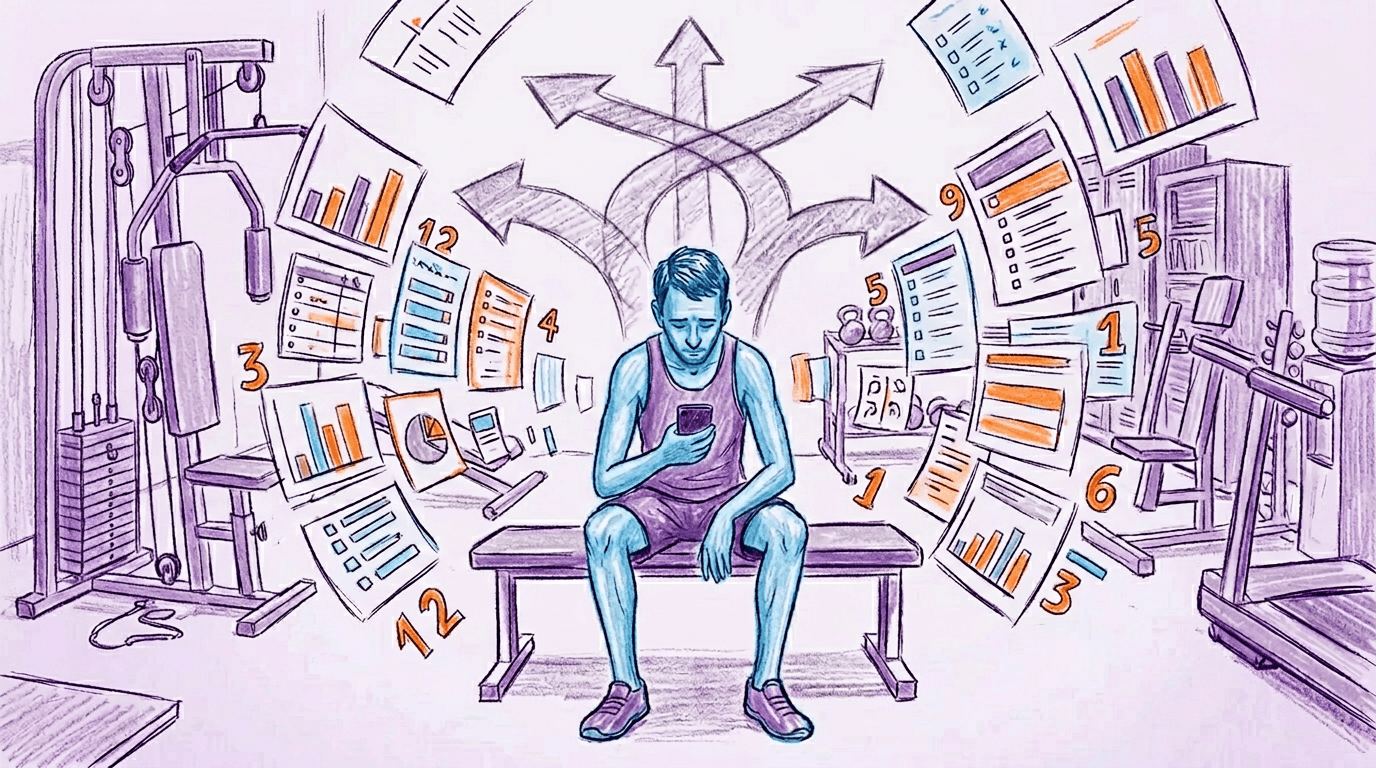
The app is aimed at experienced and novice weightlifters.
The app is aimed at experienced and novice weightlifters.
The app is aimed at experienced and novice weightlifters.
The app is aimed at experienced and novice weightlifters.
The app is aimed at experienced and novice weightlifters.
The app is aimed at experienced and novice weightlifters.
Experienced Lifters—Canadian males, 26–35, training naturally without performance-enhancing drugs. These guys are scheduled, systematic and serious. They've been lifting for years but, are hitting plateaus they can't explain. They're looking for insight for the next leap. Their point of entry is "how do I breakthrough?" Their point of exit is "I understand how my current activities lead to future gains."
Novice Lifters—Canadian males, 18–27, newer to the gym and looking for guidance fast. These guys are tech-forward, socially motivated and idealistic. They rush workouts because they don't know what optimal performance looks like. Their point of entry is "I need direction and am willing to pay (but not much)." Their point of exit is "I'm making progress but, need a more data to breakthrough."
Canada is the fastest growing market for fitness tech. Both segments are highly motivated but, have low visibility into whether what they're doing is actually working.
Experienced Lifters—Canadian males, 26–35, training naturally without performance-enhancing drugs. These guys are scheduled, systematic and serious. They've been lifting for years but, are hitting plateaus they can't explain. They're looking for insight for the next leap. Their point of entry is "how do I breakthrough?" Their point of exit is "I understand how my current activities lead to future gains."
Novice Lifters—Canadian males, 18–27, newer to the gym and looking for guidance fast. These guys are tech-forward, socially motivated and idealistic. They rush workouts because they don't know what optimal performance looks like. Their point of entry is "I need direction and am willing to pay (but not much)." Their point of exit is "I'm making progress but, need a more data to breakthrough."
Canada is the fastest growing market for fitness tech. Both segments are highly motivated but, have low visibility into whether what they're doing is actually working.
Experienced Lifters—Canadian males, 26–35, training naturally without performance-enhancing drugs. These guys are scheduled, systematic and serious. They've been lifting for years but, are hitting plateaus they can't explain. They're looking for insight for the next leap. Their point of entry is "how do I breakthrough?" Their point of exit is "I understand how my current activities lead to future gains."
Novice Lifters—Canadian males, 18–27, newer to the gym and looking for guidance fast. These guys are tech-forward, socially motivated and idealistic. They rush workouts because they don't know what optimal performance looks like. Their point of entry is "I need direction and am willing to pay (but not much)." Their point of exit is "I'm making progress but, need a more data to breakthrough."
Canada is the fastest growing market for fitness tech. Both segments are highly motivated but, have low visibility into whether what they're doing is actually working.
Experienced Lifters—Canadian males, 26–35, training naturally without performance-enhancing drugs. These guys are scheduled, systematic and serious. They've been lifting for years but, are hitting plateaus they can't explain. They're looking for insight for the next leap. Their point of entry is "how do I breakthrough?" Their point of exit is "I understand how my current activities lead to future gains."
Novice Lifters—Canadian males, 18–27, newer to the gym and looking for guidance fast. These guys are tech-forward, socially motivated and idealistic. They rush workouts because they don't know what optimal performance looks like. Their point of entry is "I need direction and am willing to pay (but not much)." Their point of exit is "I'm making progress but, need a more data to breakthrough."
Canada is the fastest growing market for fitness tech. Both segments are highly motivated but, have low visibility into whether what they're doing is actually working.
Experienced Lifters—Canadian males, 26–35, training naturally without performance-enhancing drugs. These guys are scheduled, systematic and serious. They've been lifting for years but, are hitting plateaus they can't explain. They're looking for insight for the next leap. Their point of entry is "how do I breakthrough?" Their point of exit is "I understand how my current activities lead to future gains."
Novice Lifters—Canadian males, 18–27, newer to the gym and looking for guidance fast. These guys are tech-forward, socially motivated and idealistic. They rush workouts because they don't know what optimal performance looks like. Their point of entry is "I need direction and am willing to pay (but not much)." Their point of exit is "I'm making progress but, need a more data to breakthrough."
Canada is the fastest growing market for fitness tech. Both segments are highly motivated but, have low visibility into whether what they're doing is actually working.
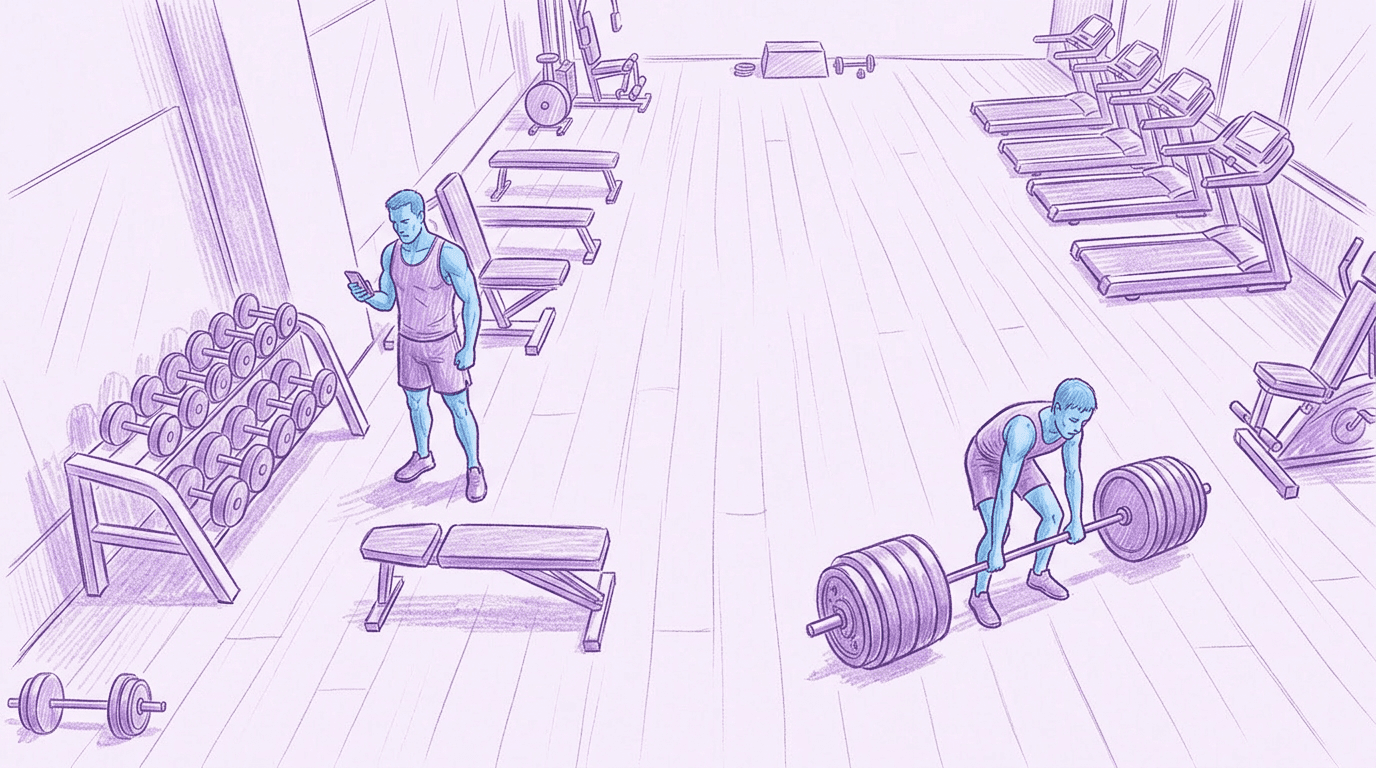
I led the entire project solo as the founder, product designer, brand designer and engineer.
I led the entire project solo as the founder, product designer, brand designer and engineer.
I led the entire project solo as the founder, product designer, brand designer and engineer.
I led the entire project solo as the founder, product designer, brand designer and engineer.
I led the entire project solo as the founder, product designer, brand designer and engineer.
I led the entire project solo as the founder, product designer, brand designer and engineer.
I owned the full stack including market research, competitive analysis, brand strategy, product design, design system, prototyping, user-testing, and engineering. After I prototyped the idea, I tested it on myself before I brought any ideas to anyone else. Day in and day out, I'd treat the gym as a training ground for both my body and app. When I found the working system, I then leveraged a series of tools to build the MVP in under a month. Some of the tools I used were ChatGPT, Cursor and Figma. I then conducted 5 in-depth user tests on the MVP logged in Notion.
I owned the full stack including market research, competitive analysis, brand strategy, product design, design system, prototyping, user-testing, and engineering. After I prototyped the idea, I tested it on myself before I brought any ideas to anyone else. Day in and day out, I'd treat the gym as a training ground for both my body and app. When I found the working system, I then leveraged a series of tools to build the MVP in under a month. Some of the tools I used were ChatGPT, Cursor and Figma. I then conducted 5 in-depth user tests on the MVP logged in Notion.
I owned the full stack including market research, competitive analysis, brand strategy, product design, design system, prototyping, user-testing, and engineering. After I prototyped the idea, I tested it on myself before I brought any ideas to anyone else. Day in and day out, I'd treat the gym as a training ground for both my body and app. When I found the working system, I then leveraged a series of tools to build the MVP in under a month. Some of the tools I used were ChatGPT, Cursor and Figma. I then conducted 5 in-depth user tests on the MVP logged in Notion.
Tech Stack
Tech Stack
Tech Stack
Research
ChatGPT
ChatGPT
ChatGPT
ChatGPT
Creative
Figma
Adobe Photoshop
Adobe Illustrator
Midjourney
Google Gemini
Figma
Adobe Photoshop
Adobe Illustrator
Midjourney
Google Gemini
Figma
Adobe Photoshop
Adobe Illustrator
Midjourney
Google Gemini
Figma
Adobe Photoshop
Adobe Illustrator
Midjourney
Google Gemini
Coding
Cursor
Supabase
React Native
TypeScript
Expo
Cursor
Supabase
React Native
TypeScript
Expo
Cursor
Supabase
React Native
TypeScript
Expo
Cursor
Supabase
React Native
TypeScript
Expo
operations
Notion
Notion
Notion
Notion
I led the entire project solo as the founder, product designer, brand designer and engineer.
I owned the full stack including market research, competitive analysis, brand strategy, product design, design system, prototyping, user-testing, and engineering. After I prototyped the idea, I tested it on myself before I brought any ideas to anyone else. Day in and day out, I'd treat the gym as a training ground for both my body and app. When I found the working system, I then leveraged a series of tools to build the MVP in under a month. Some of the tools I used were ChatGPT, Cursor and Figma. I then conducted 5 in-depth user tests on the MVP logged in Notion.
Tech Stack
Research
ChatGPT
Creative
Figma
Adobe Photoshop
Adobe Illustrator
Midjourney
Google Gemini
Coding
Cursor
Supabase
React Native
TypeScript
Expo
operations
Notion
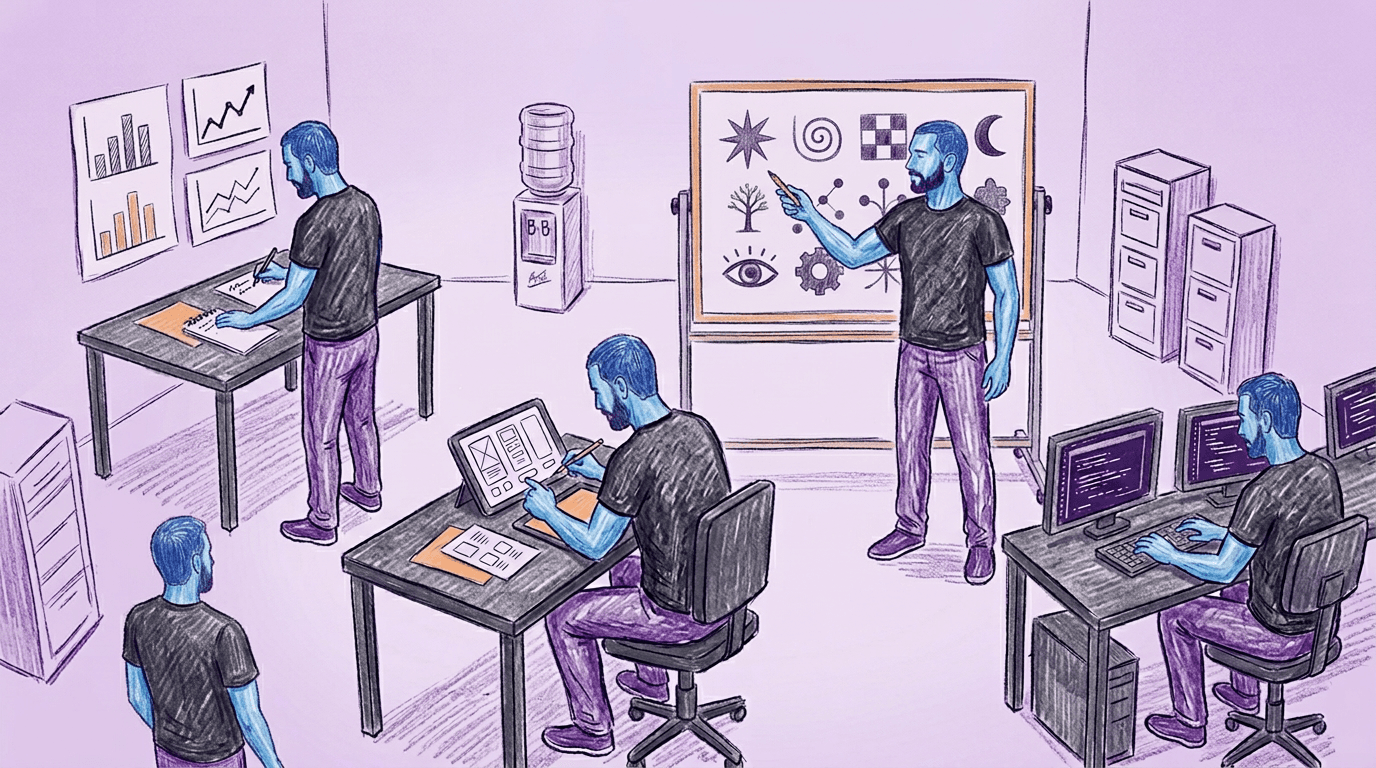
Foresight features were the vision but, goal-setting was the right place to start; no one else got that right.
Foresight features were the vision but, goal-setting was the right place to start; no one else got that right.
Foresight features were the vision but, goal-setting was the right place to start; no one else got that right.
Foresight features were the vision but, goal-setting was the right place to start; no one else got that right.
Foresight features were the vision but, goal-setting was the right place to start; no one else got that right.
Foresight features were the vision but, goal-setting was the right place to start; no one else got that right.
In Scope
In Scope
In Scope
Prototype
2-3 converting features
MVP
Brand identity
Prototype
2-3 converting features
MVP
Brand identity
Prototype
2-3 converting features
MVP
Brand identity
Prototype
2-3 converting features
MVP
Brand identity
Out of Scope
Out of Scope
Out of Scope
Advanced AI
Computer vision
Exhaustive databases
Social features
Advanced AI
Computer vision
Exhaustive databases
Social features
Advanced AI
Computer vision
Exhaustive databases
Social features
Advanced AI
Computer vision
Exhaustive databases
Social features
The long-term vision for PATI involves predictive foresight. These are features like form analysis via. computer vision, where a computer can analyze a video and tell you if you're performing the exercise correctly. Another predictive feature is a future-focused body map that can estimate you how your workout plan will contribute to muscle growth or atrophy based on current performance. The ideas are ambitious and exciting but, would require more resources like time and money—things that will come after validation of other paid features. That was explicitly out of scope for the MVP.
Foresight only works if users have defined goals to forecast toward. Goal-setting had to come first. This was an under-looked gap in the market. No competitor meaningfully connected a user's stated goals to their actual workout plan. They may provide numerical inputs but, that's where it stops. The numbers are not referenced or included in any additional calculations like effort put in the gym and kitchen. After that, users need to be consistently guided towards their desired goals. I focused on core features like advanced goal-setting and smart workout generation to get started. I also built a skeleton design system and brand identity to iterate on later. I'd build a prototype first, test it and iterate then, build it out in code.
The long-term vision for PATI involves predictive foresight. These are features like form analysis via. computer vision, where a computer can analyze a video and tell you if you're performing the exercise correctly. Another predictive feature is a future-focused body map that can estimate you how your workout plan will contribute to muscle growth or atrophy based on current performance. The ideas are ambitious and exciting but, would require more resources like time and money—things that will come after validation of other paid features. That was explicitly out of scope for the MVP.
Foresight only works if users have defined goals to forecast toward. Goal-setting had to come first. This was an under-looked gap in the market. No competitor meaningfully connected a user's stated goals to their actual workout plan. They may provide numerical inputs but, that's where it stops. The numbers are not referenced or included in any additional calculations like effort put in the gym and kitchen. After that, users need to be consistently guided towards their desired goals. I focused on core features like advanced goal-setting and smart workout generation to get started. I also built a skeleton design system and brand identity to iterate on later. I'd build a prototype first, test it and iterate then, build it out in code.
The long-term vision for PATI involves predictive foresight. These are features like form analysis via. computer vision, where a computer can analyze a video and tell you if you're performing the exercise correctly. Another predictive feature is a future-focused body map that can estimate you how your workout plan will contribute to muscle growth or atrophy based on current performance. The ideas are ambitious and exciting but, would require more resources like time and money—things that will come after validation of other paid features. That was explicitly out of scope for the MVP.
Foresight only works if users have defined goals to forecast toward. Goal-setting had to come first. This was an under-looked gap in the market. No competitor meaningfully connected a user's stated goals to their actual workout plan. They may provide numerical inputs but, that's where it stops. The numbers are not referenced or included in any additional calculations like effort put in the gym and kitchen. After that, users need to be consistently guided towards their desired goals. I focused on core features like advanced goal-setting and smart workout generation to get started. I also built a skeleton design system and brand identity to iterate on later. I'd build a prototype first, test it and iterate then, build it out in code.
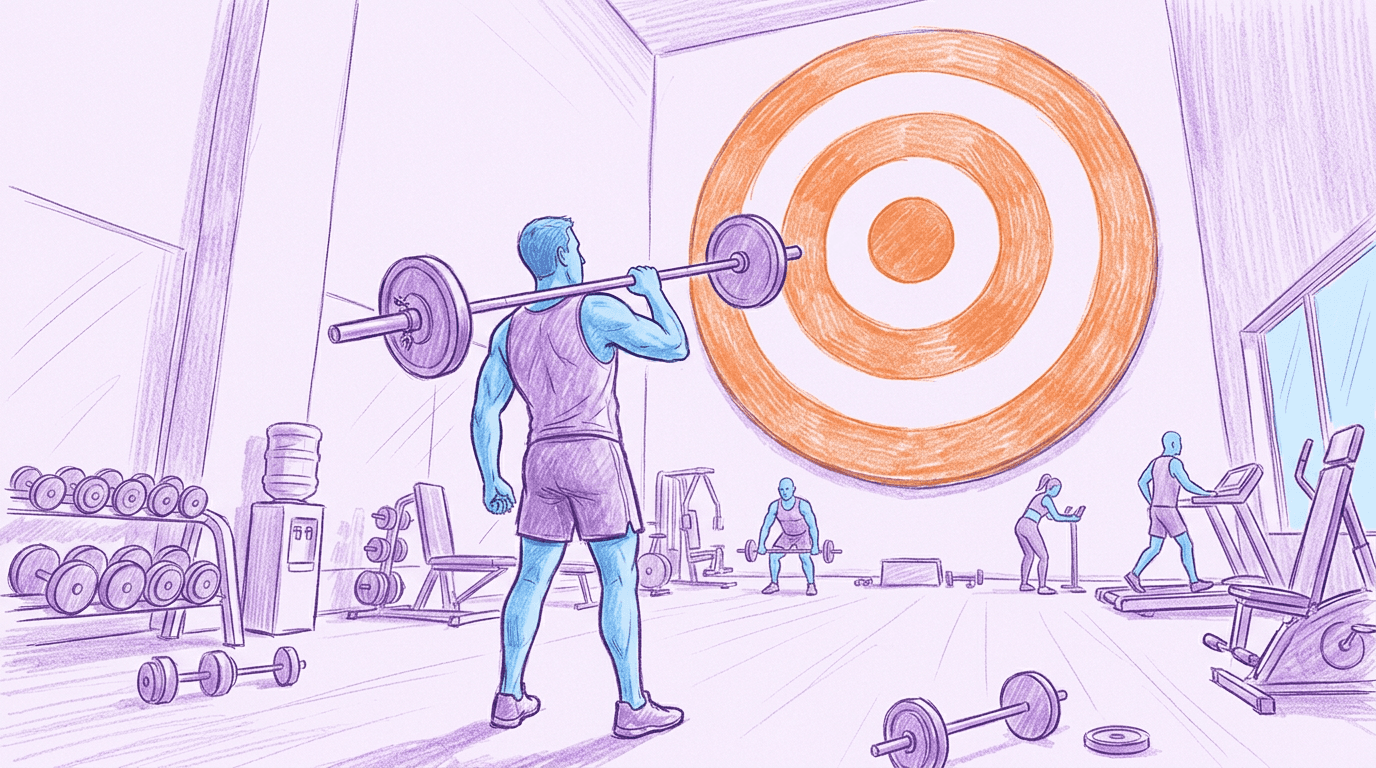
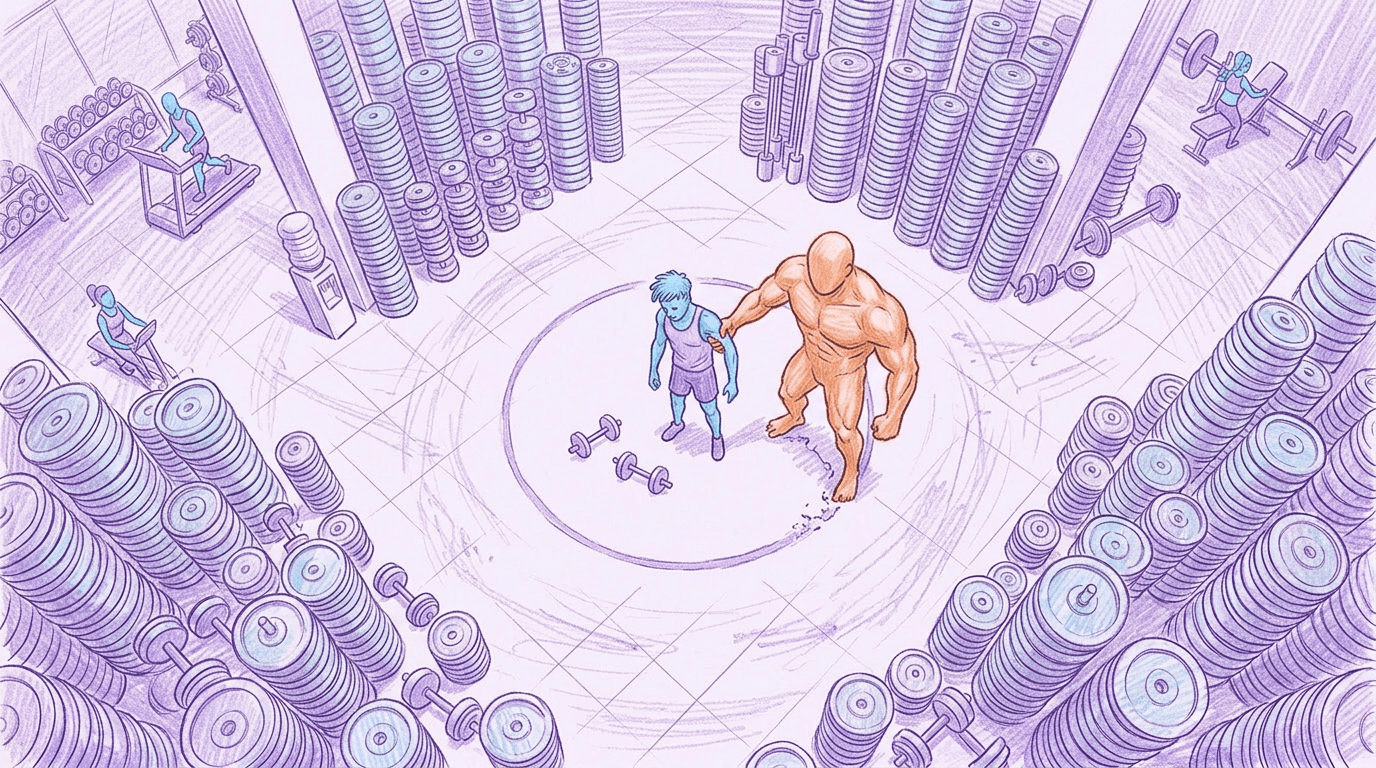
I realized every competitor focused on the past; my opportunity was to connect it to the future.
I realized every competitor focused on the past; my opportunity was to connect it to the future.
I realized every competitor focused on the past; my opportunity was to connect it to the future.
I realized every competitor focused on the past; my opportunity was to connect it to the future.
I realized every competitor focused on the past; my opportunity was to connect it to the future.
I realized every competitor focused on the past; my opportunity was to connect it to the future.
The competitive analysis confirmed my assumptions; the market was full of trackers and empty on foresight.
The competitive analysis confirmed my assumptions; the market was full of trackers and empty on foresight.
The competitive analysis confirmed my assumptions; the market was full of trackers and empty on foresight.
The competitive analysis confirmed my assumptions; the market was full of trackers and empty on foresight.
The competitive analysis confirmed my assumptions; the market was full of trackers and empty on foresight.
The competitive analysis confirmed my assumptions; the market was full of trackers and empty on foresight.
I analyzed the fit-tech landscape across market size, growth trajectory and competitor gaps. The industry is projected to reach $23.2B by 2030 with Canada growing faster than the US (16.9% CAD vs 11.4% USA CAGR, 2025–2030). This made Canada the market to focus on. Exercise apps represent 54% of all fit-tech; 85% of users are under 40. The competitor audit covered Hevy, Setgraph, and Strong. Each had meaningful strengths, like social features, body mapping and workout tracking but, they all had the same blind spot. They were missing advanced goal-setting, intelligent workout plans geared to goal-aligned challenges and foresight features. This meant the user had to put the pieces together themselves or they wouldn't have an idea if they were headed in the right direction.
I analyzed the fit-tech landscape across market size, growth trajectory and competitor gaps. The industry is projected to reach $23.2B by 2030 with Canada growing faster than the US (16.9% CAD vs 11.4% USA CAGR, 2025–2030). This made Canada the market to focus on. Exercise apps represent 54% of all fit-tech; 85% of users are under 40. The competitor audit covered Hevy, Setgraph, and Strong. Each had meaningful strengths, like social features, body mapping and workout tracking but, they all had the same blind spot. They were missing advanced goal-setting, intelligent workout plans geared to goal-aligned challenges and foresight features. This meant the user had to put the pieces together themselves or they wouldn't have an idea if they were headed in the right direction.
I analyzed the fit-tech landscape across market size, growth trajectory and competitor gaps. The industry is projected to reach $23.2B by 2030 with Canada growing faster than the US (16.9% CAD vs 11.4% USA CAGR, 2025–2030). This made Canada the market to focus on. Exercise apps represent 54% of all fit-tech; 85% of users are under 40. The competitor audit covered Hevy, Setgraph, and Strong. Each had meaningful strengths, like social features, body mapping and workout tracking but, they all had the same blind spot. They were missing advanced goal-setting, intelligent workout plans geared to goal-aligned challenges and foresight features. This meant the user had to put the pieces together themselves or they wouldn't have an idea if they were headed in the right direction.
Hevy App
Hevy App
Hevy App
This workout tracker that is popular for its social functions including analyzing people's workouts, progress-sharing and leaderboards. It includes a ChatGPT wrapper for generating workouts. It can display previous activity via graphs and charts as well as a body map of what body parts have been exercised weekly.
This workout tracker that is popular for its social functions including analyzing people's workouts, progress-sharing and leaderboards. It includes a ChatGPT wrapper for generating workouts. It can display previous activity via graphs and charts as well as a body map of what body parts have been exercised weekly.
This workout tracker that is popular for its social functions including analyzing people's workouts, progress-sharing and leaderboards. It includes a ChatGPT wrapper for generating workouts. It can display previous activity via graphs and charts as well as a body map of what body parts have been exercised weekly.
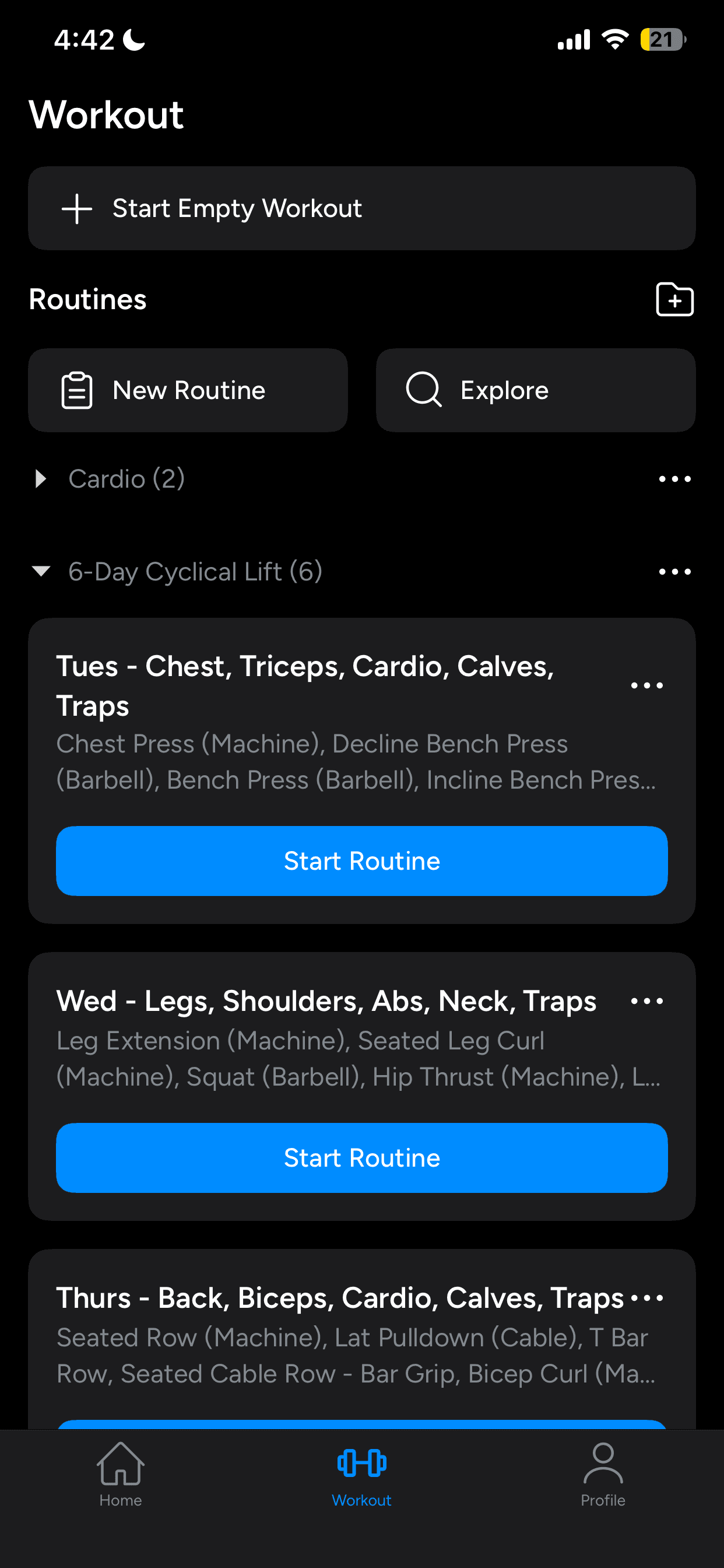
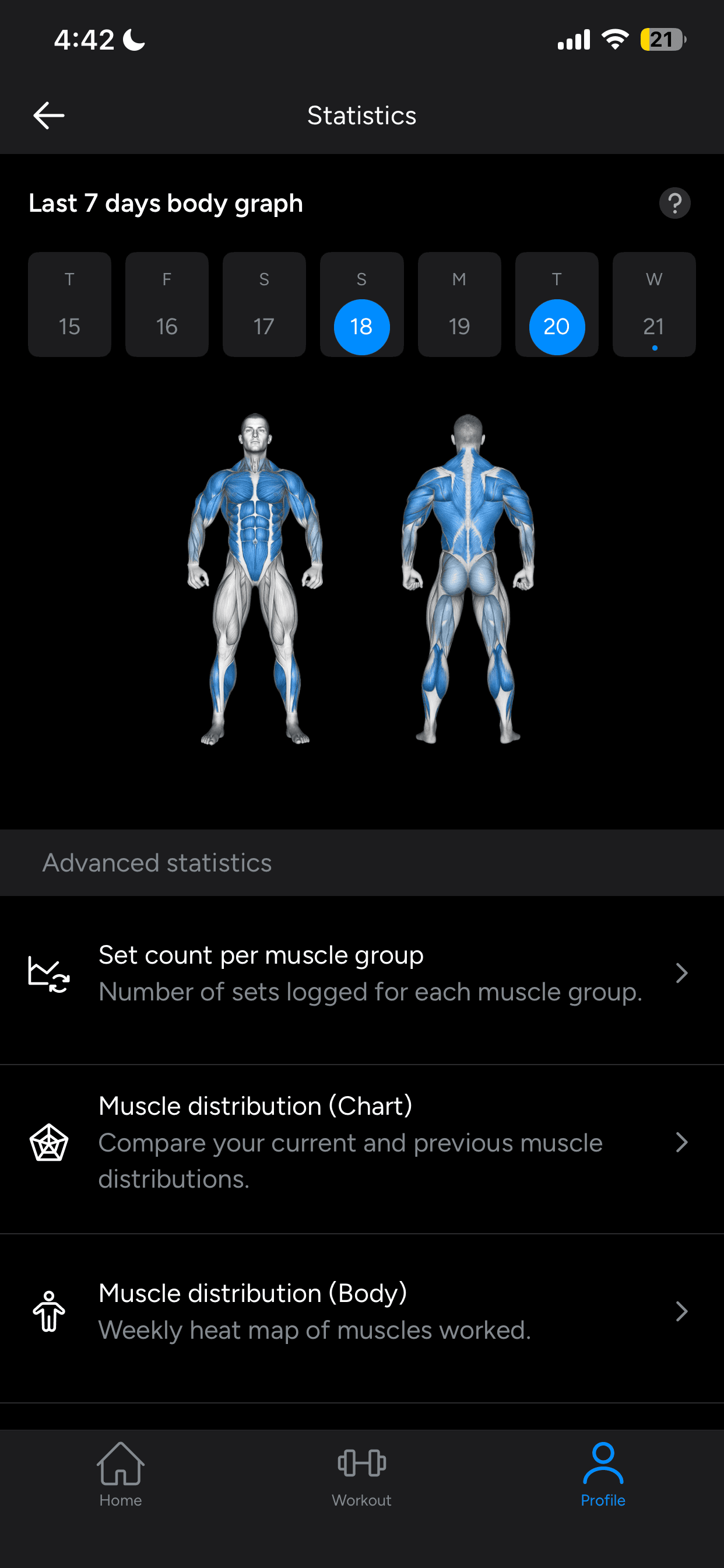
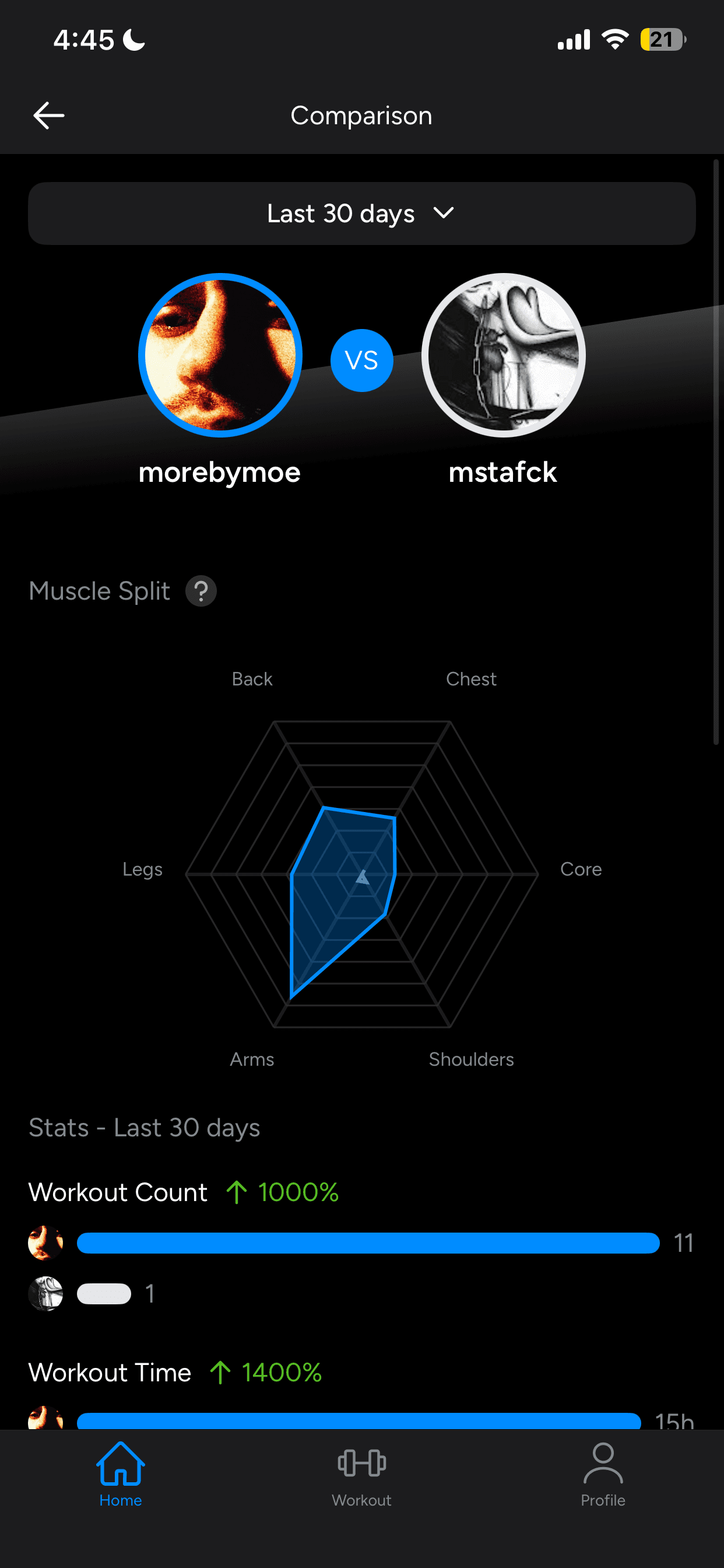
Hevy’s interface is straightforward and narrowly focused on workouts, revealing an opportunity to expand into other health areas like meal planning. While it includes a body map to visualize training load, this feature is limited to short-term, retrospective insights and isn’t used during workout planning. Hevy excels at stat comparisons, allowing users to benchmark their performance against friends or the wider community.
Setgraph app
Setgraph app
Setgraph app
This workout tracker is popular for its use of detailed body-mapping; it tells its users what body parts have been worked out when exercising. It also has a generative workout planner and a goal-setter but its not thorough.
This workout tracker is popular for its use of detailed body-mapping; it tells its users what body parts have been worked out when exercising. It also has a generative workout planner and a goal-setter but its not thorough.
This workout tracker is popular for its use of detailed body-mapping; it tells its users what body parts have been worked out when exercising. It also has a generative workout planner and a goal-setter but its not thorough.
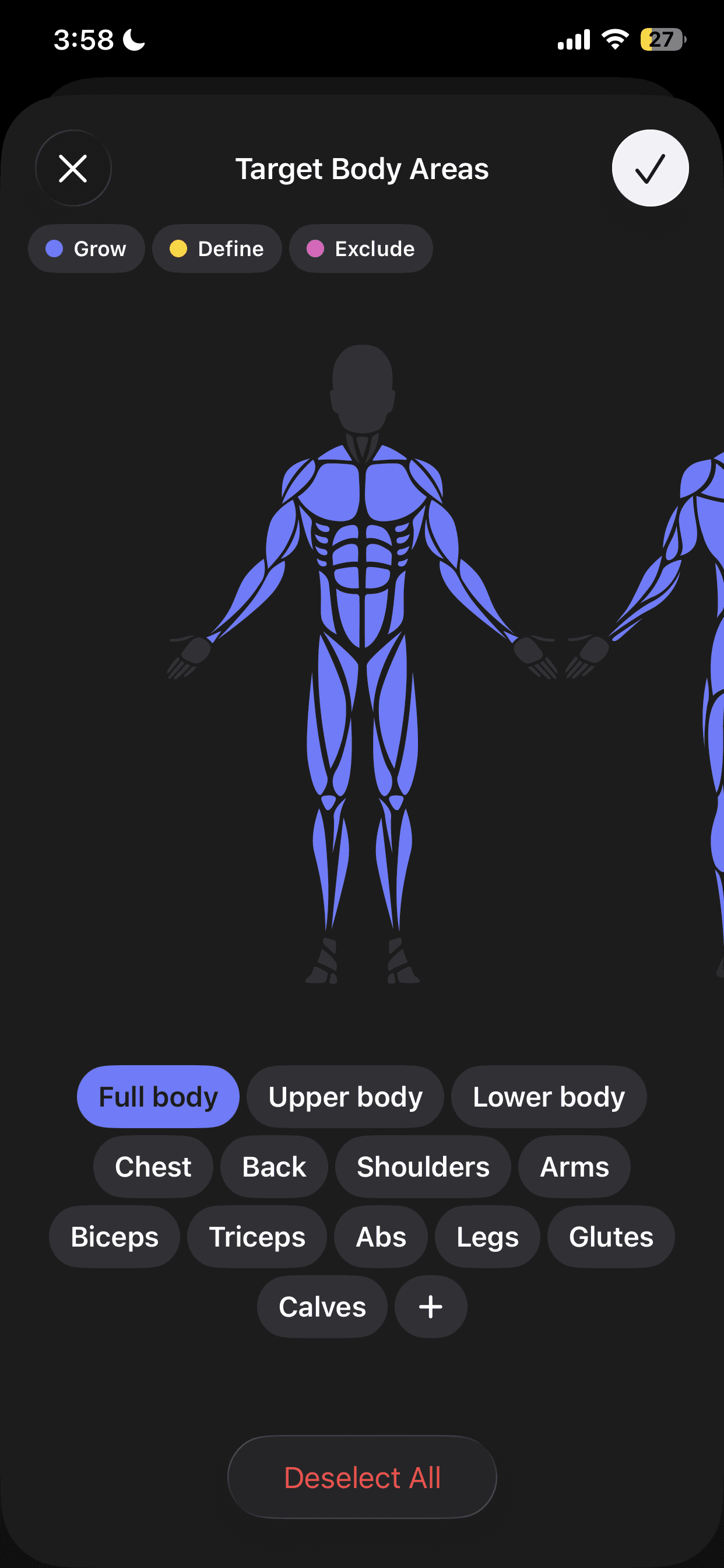
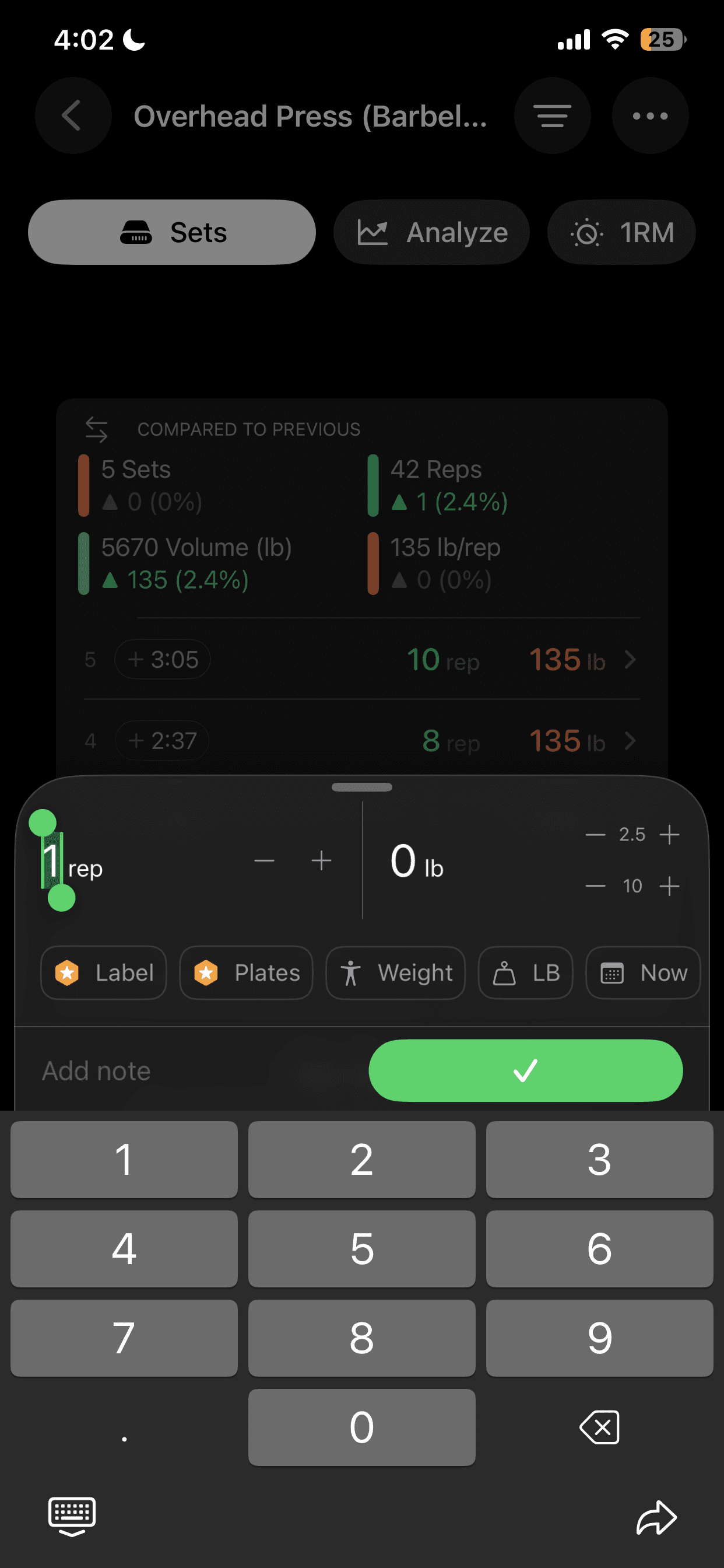
Setgraph clearly outlines targeted body parts when generating workouts, but its goal-setting lacks depth and relies on crude metrics like body weight, which don’t reflect lean mass. Logging reps and weights feels overwhelming due to excessive options, colors, icons, and information density. Tight click areas further hurt usability and make interactions frustrating.
Strong App
Strong App
Strong App
This is another workout tracker popular for its charting capabilities. It does not have any social media, AI tools or other advanced options.
This is another workout tracker popular for its charting capabilities. It does not have any social media, AI tools or other advanced options.
This is another workout tracker popular for its charting capabilities. It does not have any social media, AI tools or other advanced options.
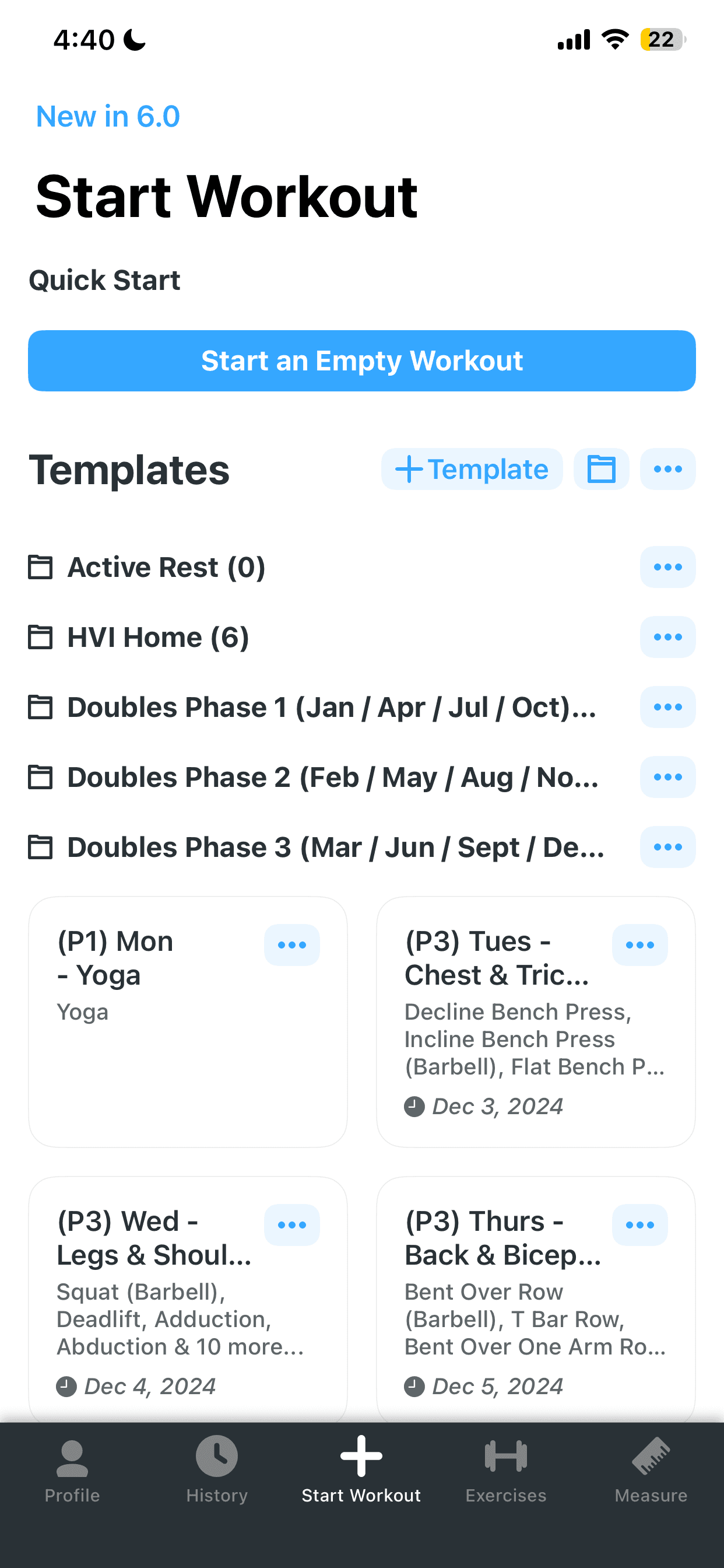
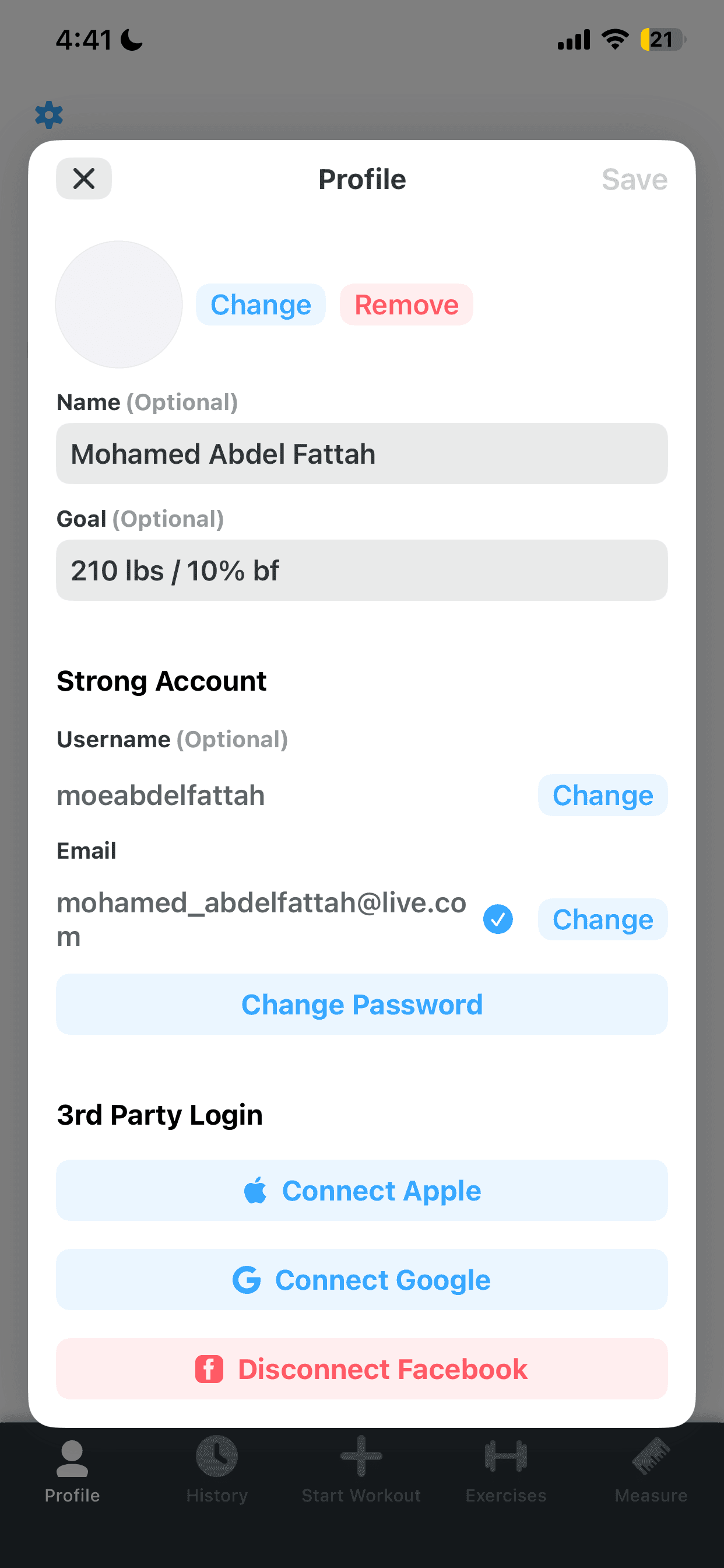
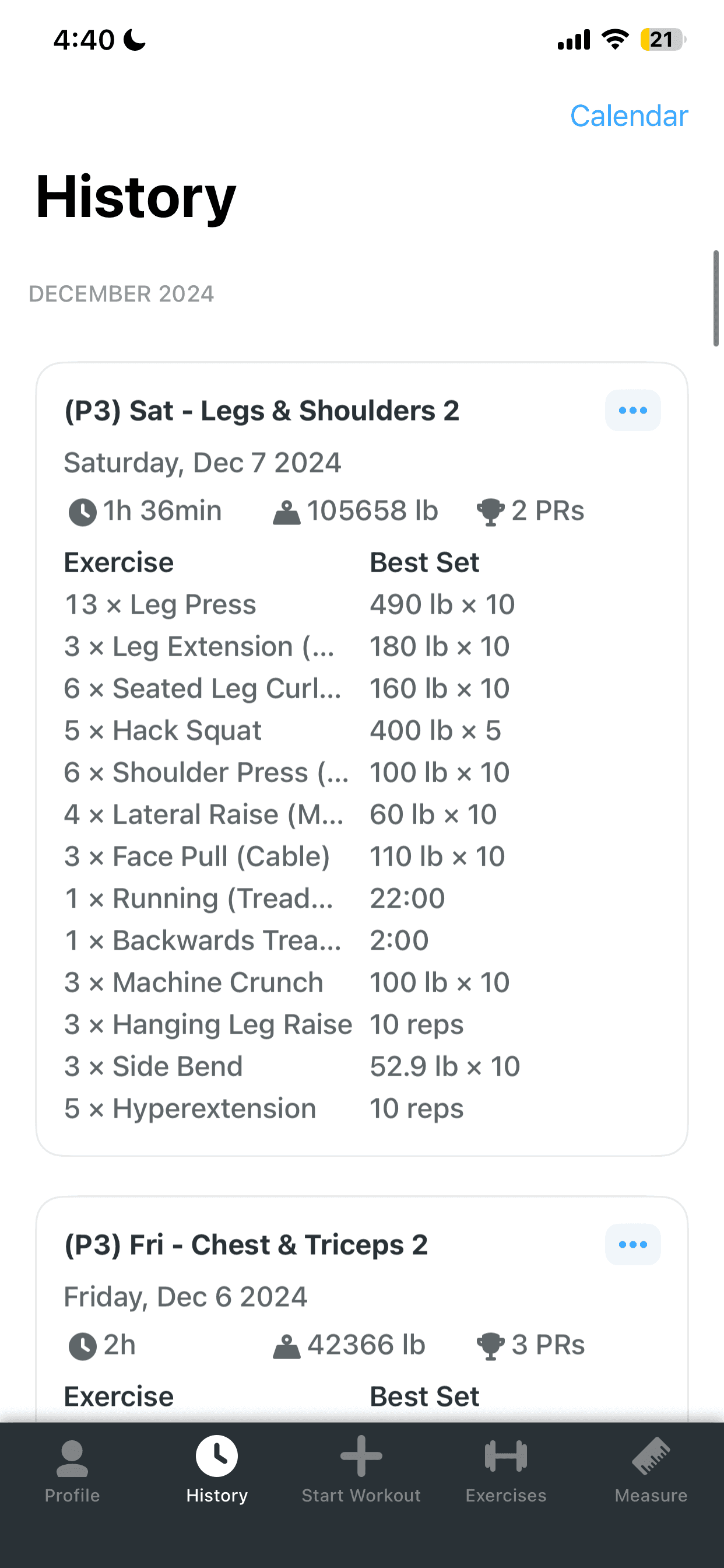
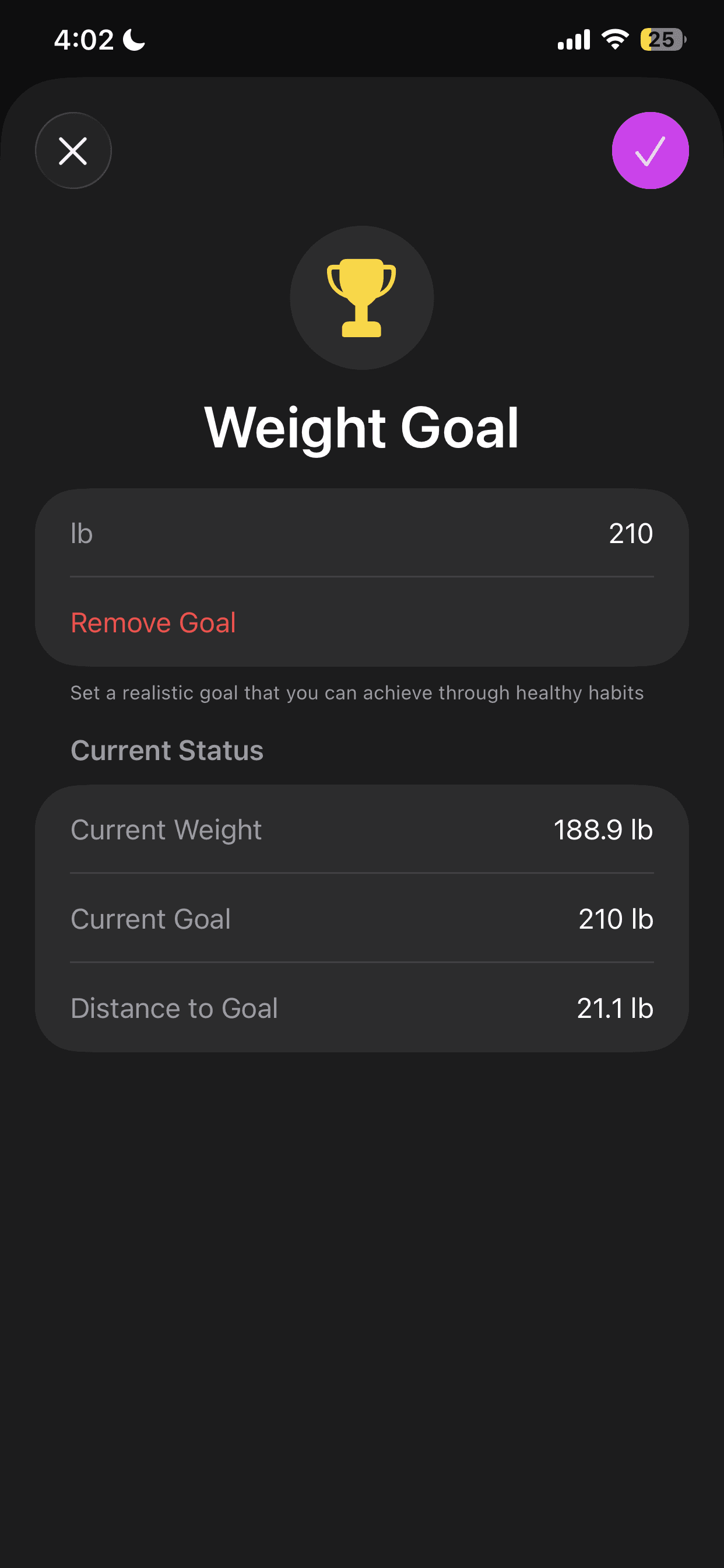
Strong has a clean, straightforward design and its freemium version lets users manually create a fixed set of workouts. However, goal-setting is limited to text and isn’t connected to actual workouts or exercises. While Strong tracks solid historical data, it doesn't connect how previous workouts led to a user’s goals.
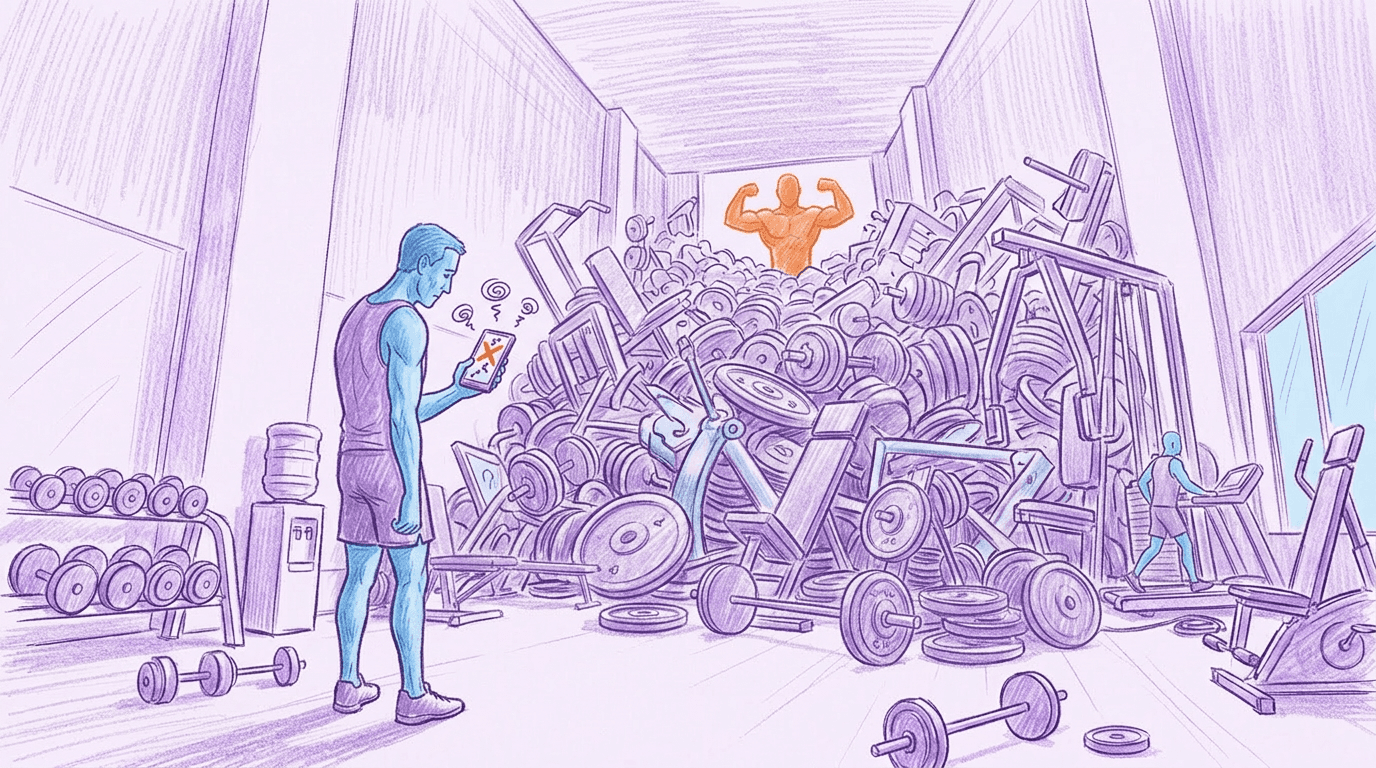
Goal-setting became the core feature because its the foundation that encourages users to own their results.
Goal-setting became the core feature because its the foundation that encourages users to own their results.
Goal-setting became the core feature because its the foundation that encourages users to own their results.
Goal-setting became the core feature because its the foundation that encourages users to own their results.
Goal-setting became the core feature because its the foundation that encourages users to own their results.
Goal-setting became the core feature because its the foundation that encourages users to own their results.
Most fitness apps let users log a goal as a number and track it's progress on a periodic graph (like weekly progress charts). This is good for basic use but, it does nothing to tell you about how your workouts are affecting your goals. Users want to know if they're burning fat at their desired rate or building muscle at an optimal pace based on their goals and what fitness activity they've tracked. To add to that, figures like Body Mass Index (BMI) are used as a blanket metric for all body types regardless of a goal. It works for people who are focused on heart health or fat loss but what about people seeking to target muscle growth? Lifters often exceed standard BMIs—Lean Body Mass (LBM) is a more accurate figure to measure muscle growth alongside BMI for heart health and fat loss. These are also things that advanced health tracking can provide (ex. DEXA scans) but, everyday gym-goers do not want to invest so much time and money into that granularity on a regular basis. I designed the goal-setter feature to give users a structured way to articulate exactly what they're aiming for. This included current stats, target stats, and a timeline. When users can see the numbers behind their goal, they stop guessing and start training with intention.
Most fitness apps let users log a goal as a number and track it's progress on a periodic graph (like weekly progress charts). This is good for basic use but, it does nothing to tell you about how your workouts are affecting your goals. Users want to know if they're burning fat at their desired rate or building muscle at an optimal pace based on their goals and what fitness activity they've tracked. To add to that, figures like Body Mass Index (BMI) are used as a blanket metric for all body types regardless of a goal. It works for people who are focused on heart health or fat loss but what about people seeking to target muscle growth? Lifters often exceed standard BMIs—Lean Body Mass (LBM) is a more accurate figure to measure muscle growth alongside BMI for heart health and fat loss. These are also things that advanced health tracking can provide (ex. DEXA scans) but, everyday gym-goers do not want to invest so much time and money into that granularity on a regular basis. I designed the goal-setter feature to give users a structured way to articulate exactly what they're aiming for. This included current stats, target stats, and a timeline. When users can see the numbers behind their goal, they stop guessing and start training with intention.
Most fitness apps let users log a goal as a number and track it's progress on a periodic graph (like weekly progress charts). This is good for basic use but, it does nothing to tell you about how your workouts are affecting your goals. Users want to know if they're burning fat at their desired rate or building muscle at an optimal pace based on their goals and what fitness activity they've tracked. To add to that, figures like Body Mass Index (BMI) are used as a blanket metric for all body types regardless of a goal. It works for people who are focused on heart health or fat loss but what about people seeking to target muscle growth? Lifters often exceed standard BMIs—Lean Body Mass (LBM) is a more accurate figure to measure muscle growth alongside BMI for heart health and fat loss. These are also things that advanced health tracking can provide (ex. DEXA scans) but, everyday gym-goers do not want to invest so much time and money into that granularity on a regular basis. I designed the goal-setter feature to give users a structured way to articulate exactly what they're aiming for. This included current stats, target stats, and a timeline. When users can see the numbers behind their goal, they stop guessing and start training with intention.
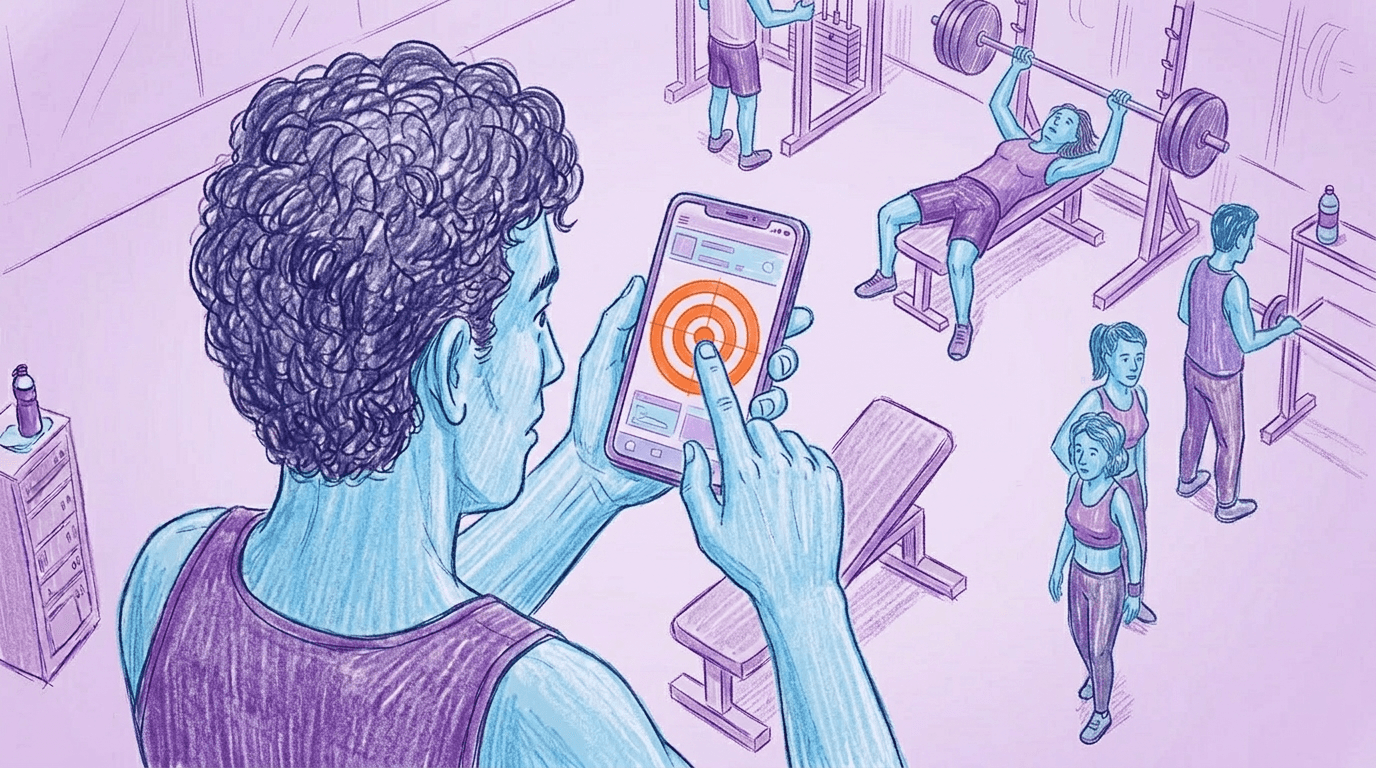
Smart workout generation builds on goal-setting, not your comfort zone.
Smart workout generation builds on goal-setting, not your comfort zone.
Smart workout generation builds on goal-setting, not your comfort zone.
Smart workout generation builds on goal-setting, not your comfort zone.
Smart workout generation builds on goal-setting, not your comfort zone.
Smart workout generation builds on goal-setting, not your comfort zone.
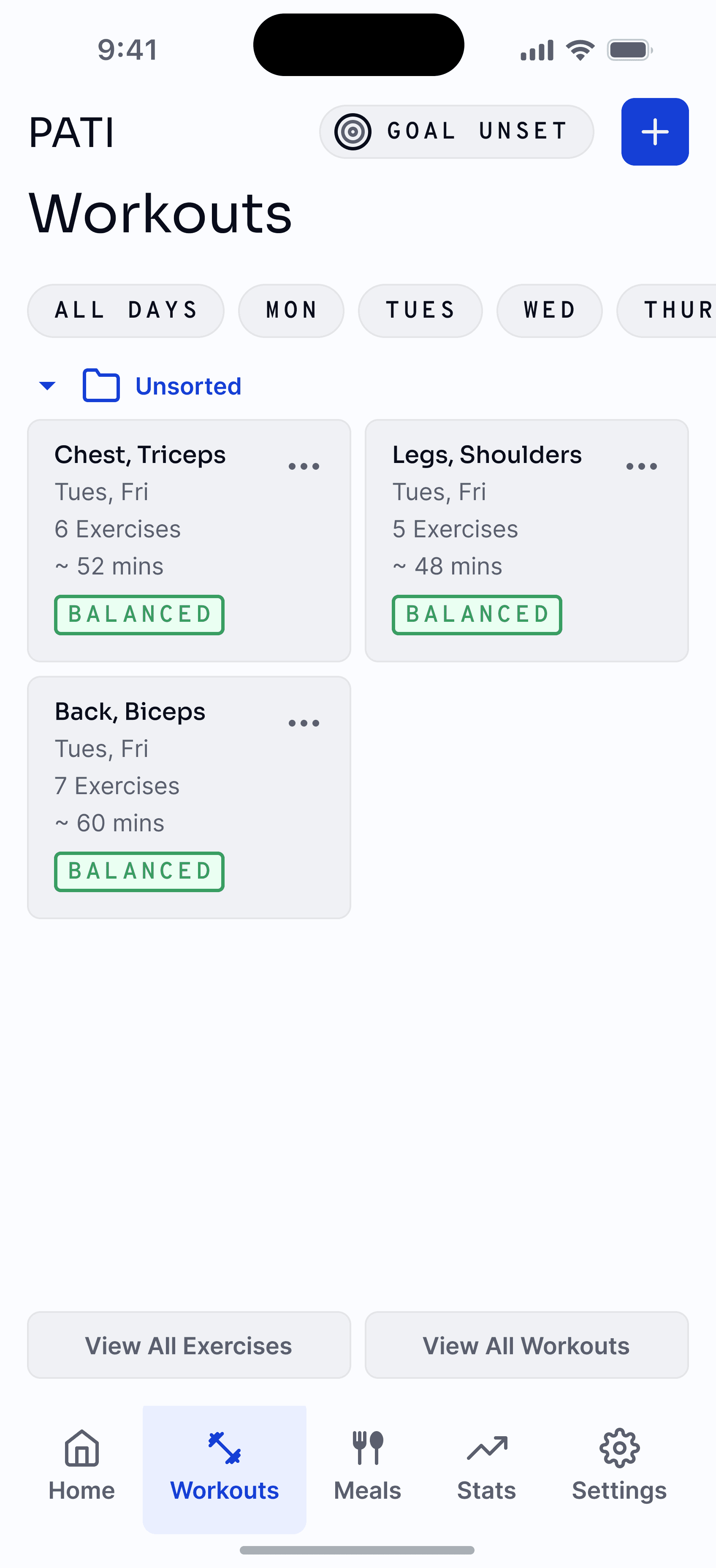
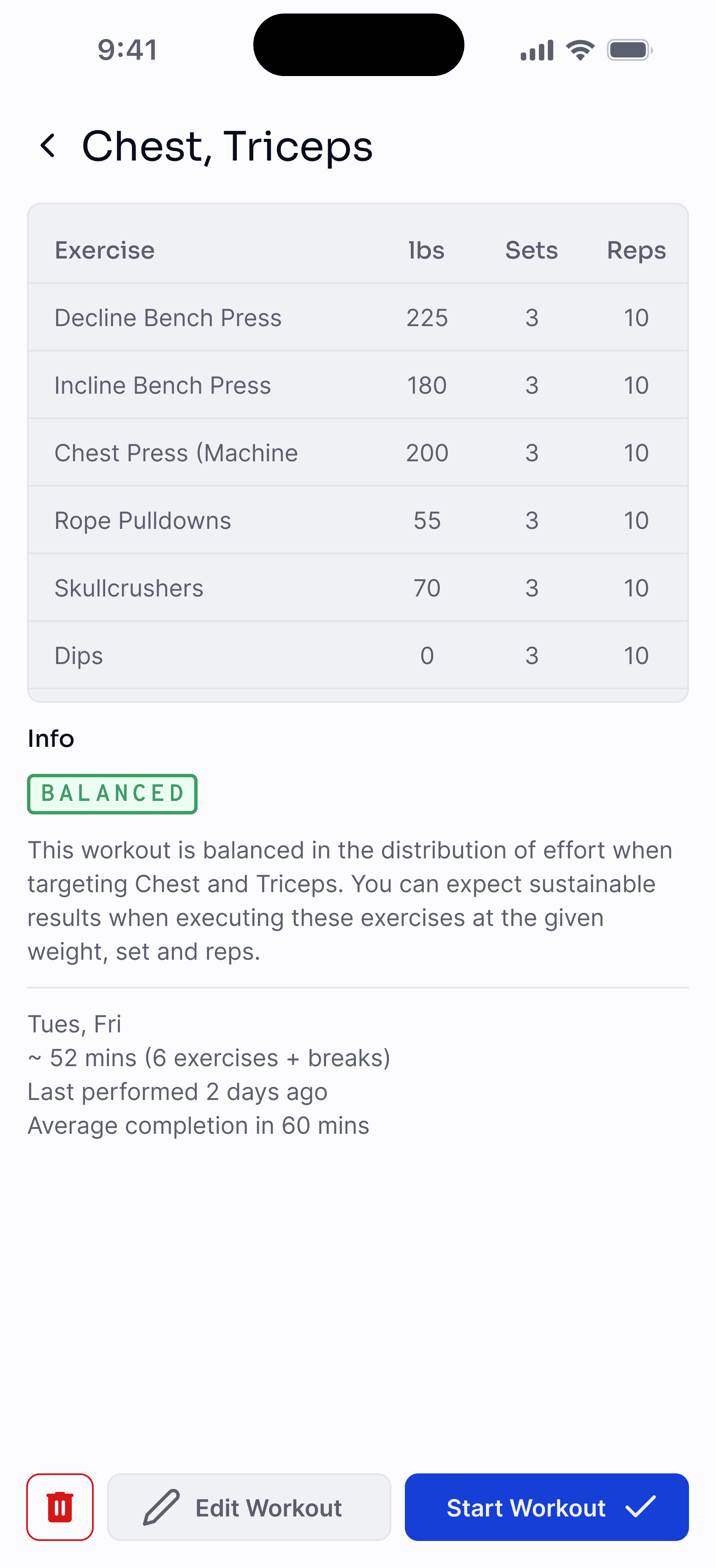
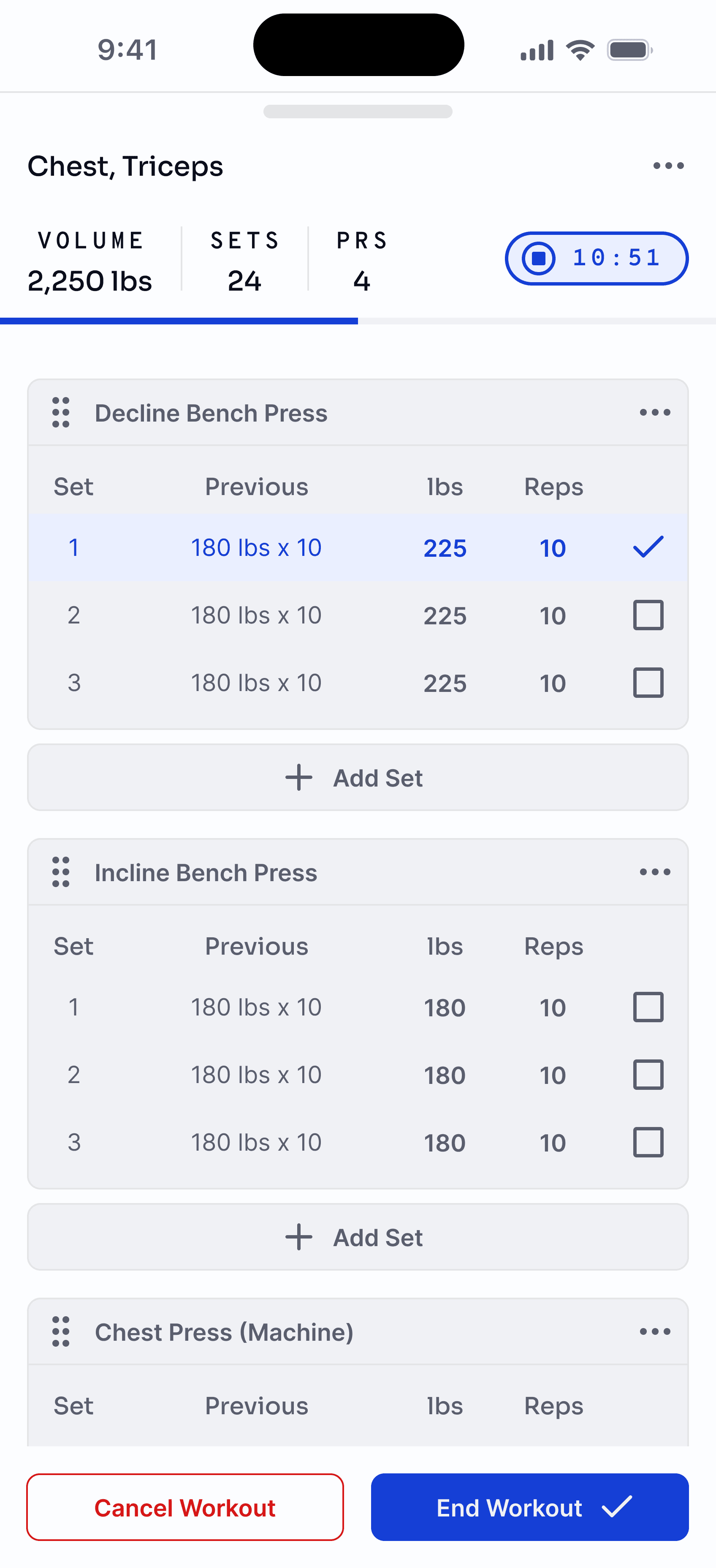
The workout generator was scoped as the second key feature because it was the natural extension of goal-setting. The concept is this—once a user defines what they're working toward (ex. muscle gain, fat loss, strength), the workout generator creates workouts calibrated to that target. Sets, reps, and exercise selection are oriented around the goal and moving beyond one's comfort zone, not just general fitness. If previous data exists, it finds what reps, sets and volume you've done and aims to move beyond the familiar into different routines. This is a deliberate departure from competitors like Hevy, which includes a ChatGPT wrapper for workout generation but, has no connection to the user's goals. I also recognized that novice lifters don't know where to start. The workout generator removes that barrier entirely by providing detailed routines based on a few inputs.
The workout generator was scoped as the second key feature because it was the natural extension of goal-setting. The concept is this—once a user defines what they're working toward (ex. muscle gain, fat loss, strength), the workout generator creates workouts calibrated to that target. Sets, reps, and exercise selection are oriented around the goal and moving beyond one's comfort zone, not just general fitness. If previous data exists, it finds what reps, sets and volume you've done and aims to move beyond the familiar into different routines. This is a deliberate departure from competitors like Hevy, which includes a ChatGPT wrapper for workout generation but, has no connection to the user's goals. I also recognized that novice lifters don't know where to start. The workout generator removes that barrier entirely by providing detailed routines based on a few inputs.
The workout generator was scoped as the second key feature because it was the natural extension of goal-setting. The concept is this—once a user defines what they're working toward (ex. muscle gain, fat loss, strength), the workout generator creates workouts calibrated to that target. Sets, reps, and exercise selection are oriented around the goal and moving beyond one's comfort zone, not just general fitness. If previous data exists, it finds what reps, sets and volume you've done and aims to move beyond the familiar into different routines. This is a deliberate departure from competitors like Hevy, which includes a ChatGPT wrapper for workout generation but, has no connection to the user's goals. I also recognized that novice lifters don't know where to start. The workout generator removes that barrier entirely by providing detailed routines based on a few inputs.
PATI
colour / main /
/ focus
/ emphasis-high
/ emphasis-mid
/ emphasis-low
/ border
/ surface
/ background
/ background-modal
/ state-pressed
/ state-selected
colour / alert /
/ focus
/ emphasis-high
/ emphasis-mid
/ emphasis-low
/ border
/ surface
/ background
/ background-modal
/ state-pressed
/ state-selected
Product colours for the PATI mobile app. The blue aims to convey a sense of sterility and alertness, similar to a science environment. The red is used as an obvious marker for alerts or errors, leaving no room for interpretation about its intention.
Sora
Regular
64 px
Head 1
52 px
Head 2
48 px
Head 3
32 px
Head 4
24 px
Head 5
20 px
Head 6
Inter
Medium
16 px
Subtitle 1
14 px
Subtitle 2
Semi-bold
14 px
Button
Regular
12 px
Caption
Overpass Mono
Medium
10 px
OVERLINE
Semi-bold
14 px
CHIP-TAG
Type scale for PATI; aimed for a somewhat sci-fi feel. The aim with this type style is to evoke a feeling of being a scientist, treating workouts like experiments.
Type scale for PATI aiming for a scientific feel, treating workouts like experiments.
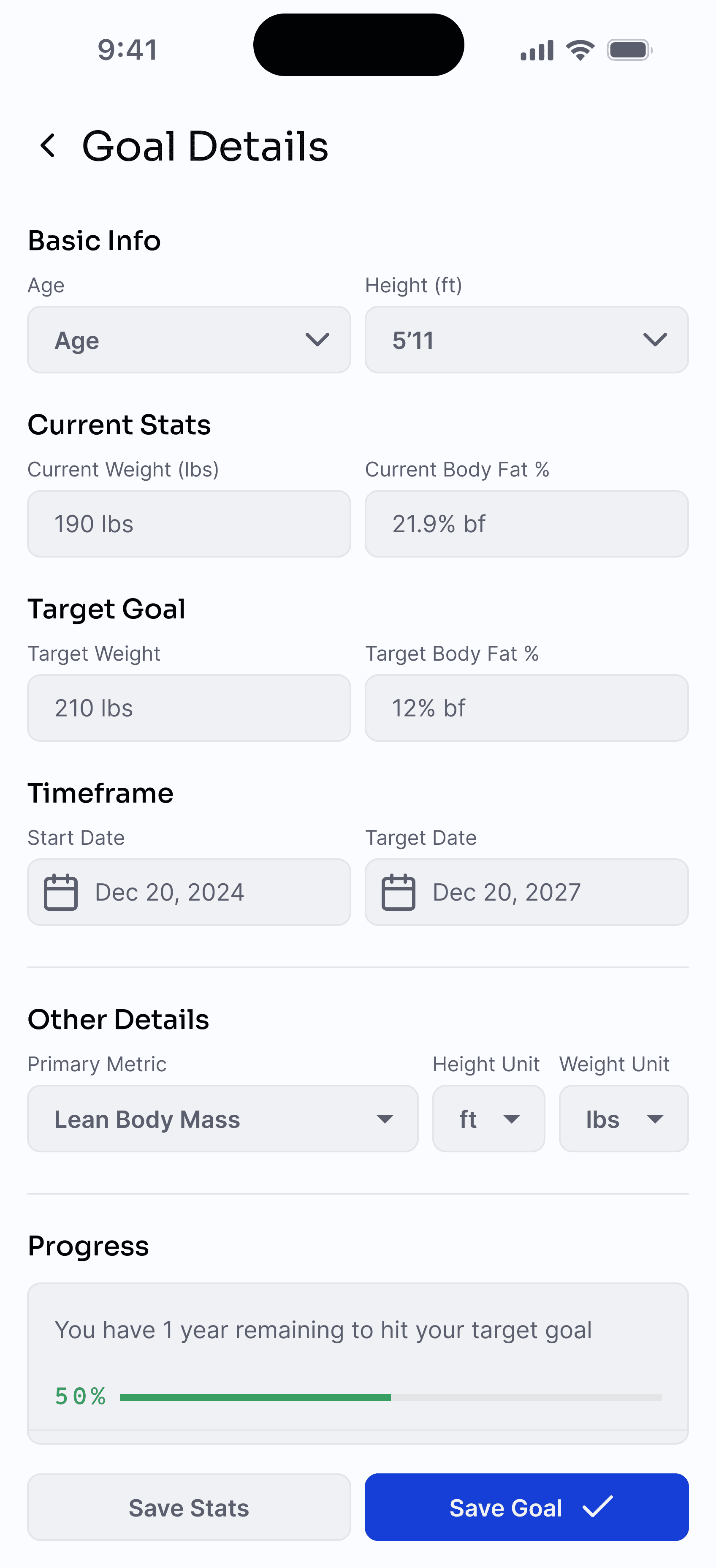
Above is the user flow for goal-setting. Users can access their goals from any screen via the “Goal Unset” chip in the top-right. From there, they can configure current and target stats then, save their changes and either stay on the Goal Details page or return to the previous tab.
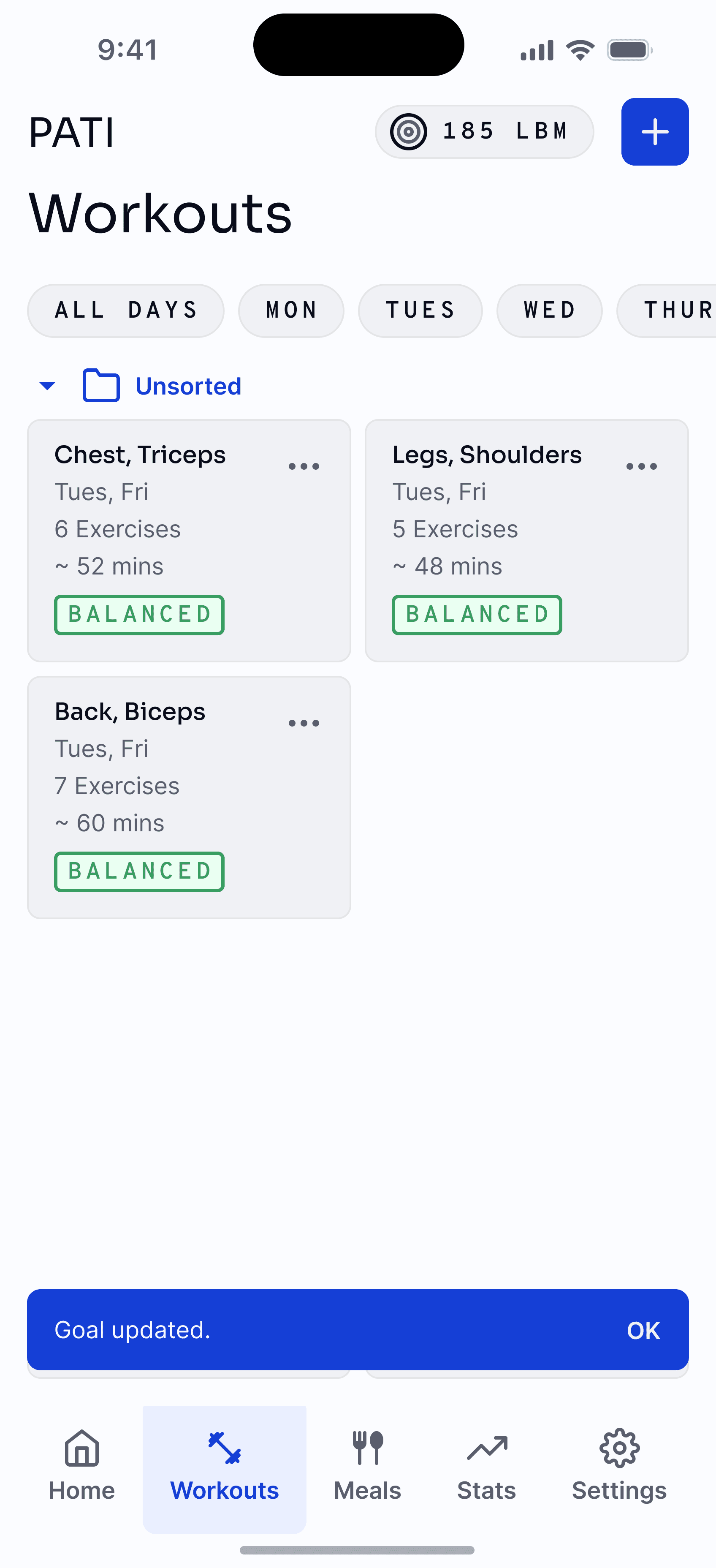
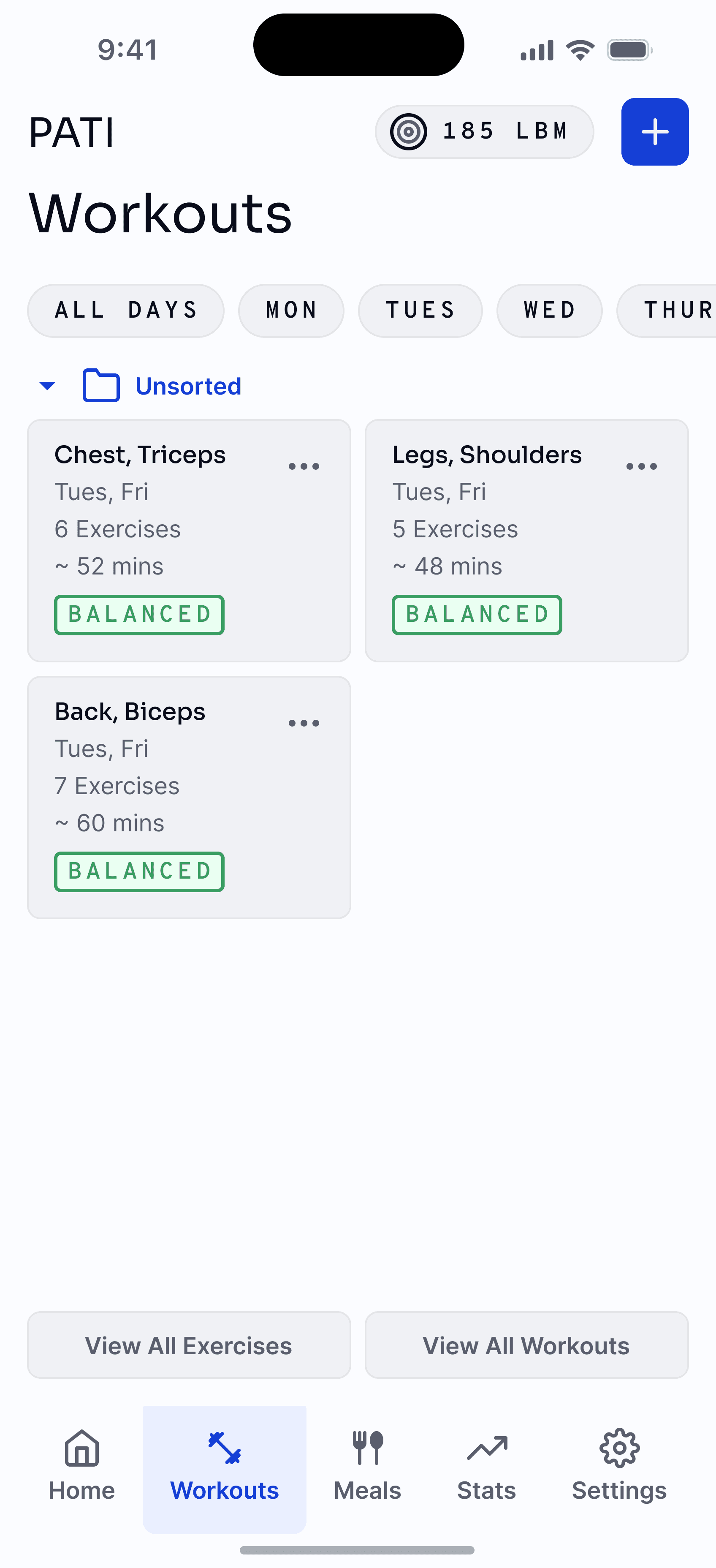
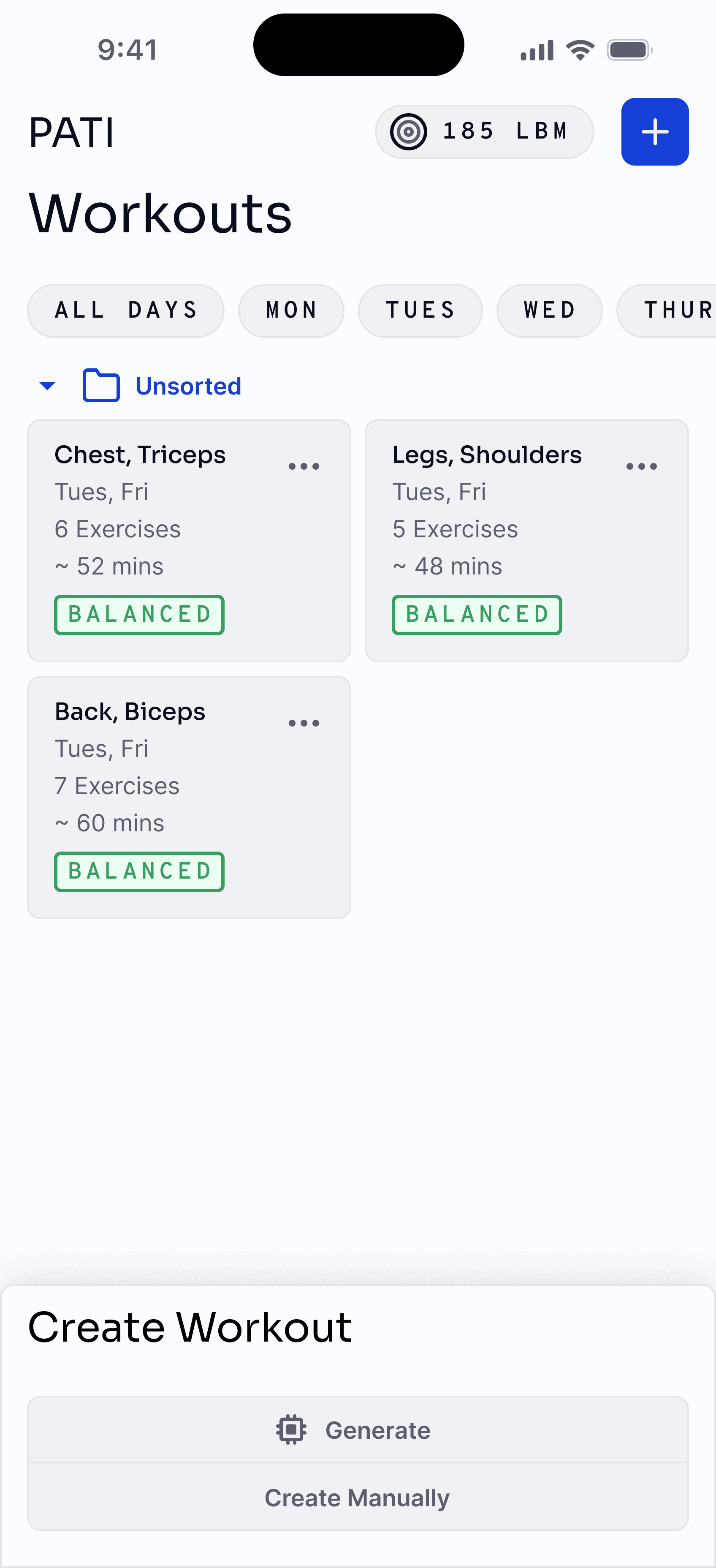
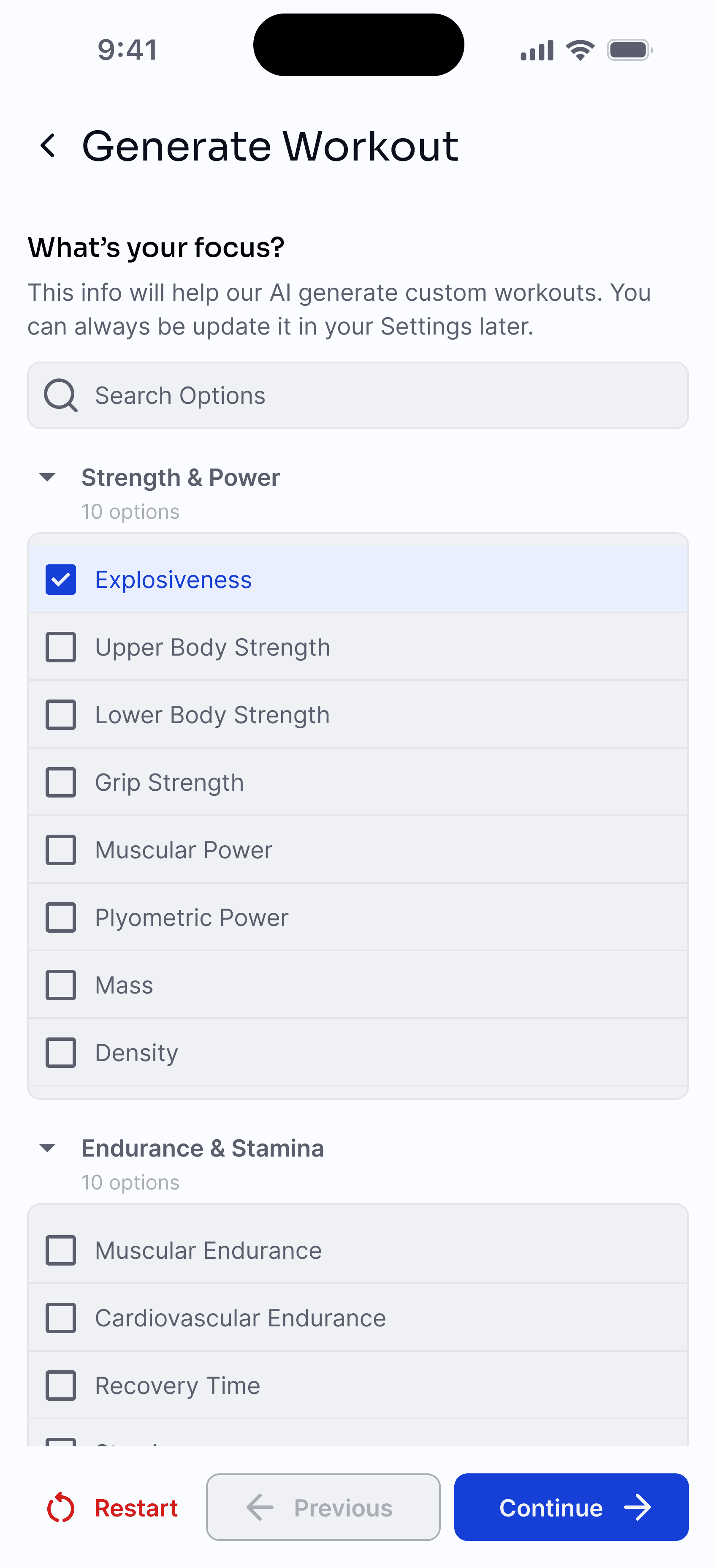
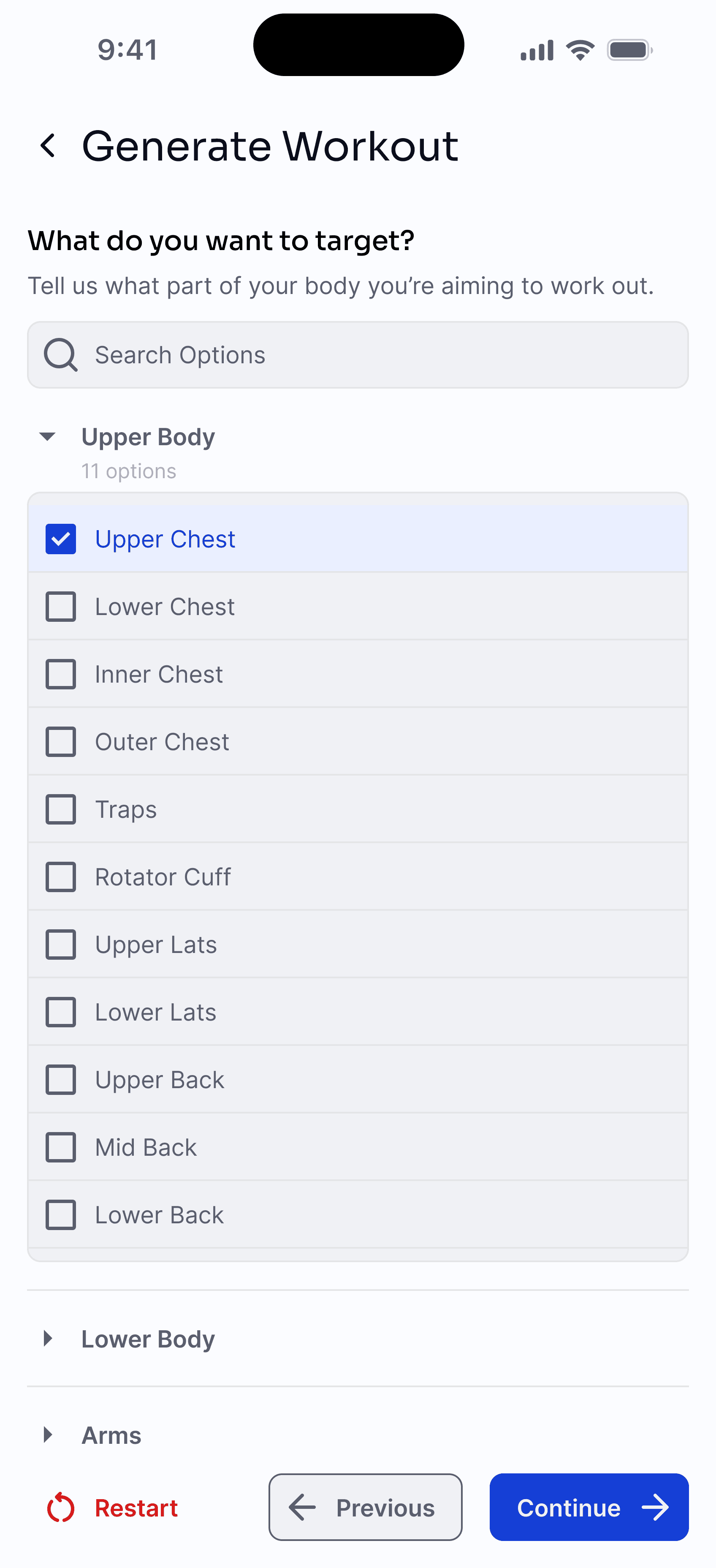
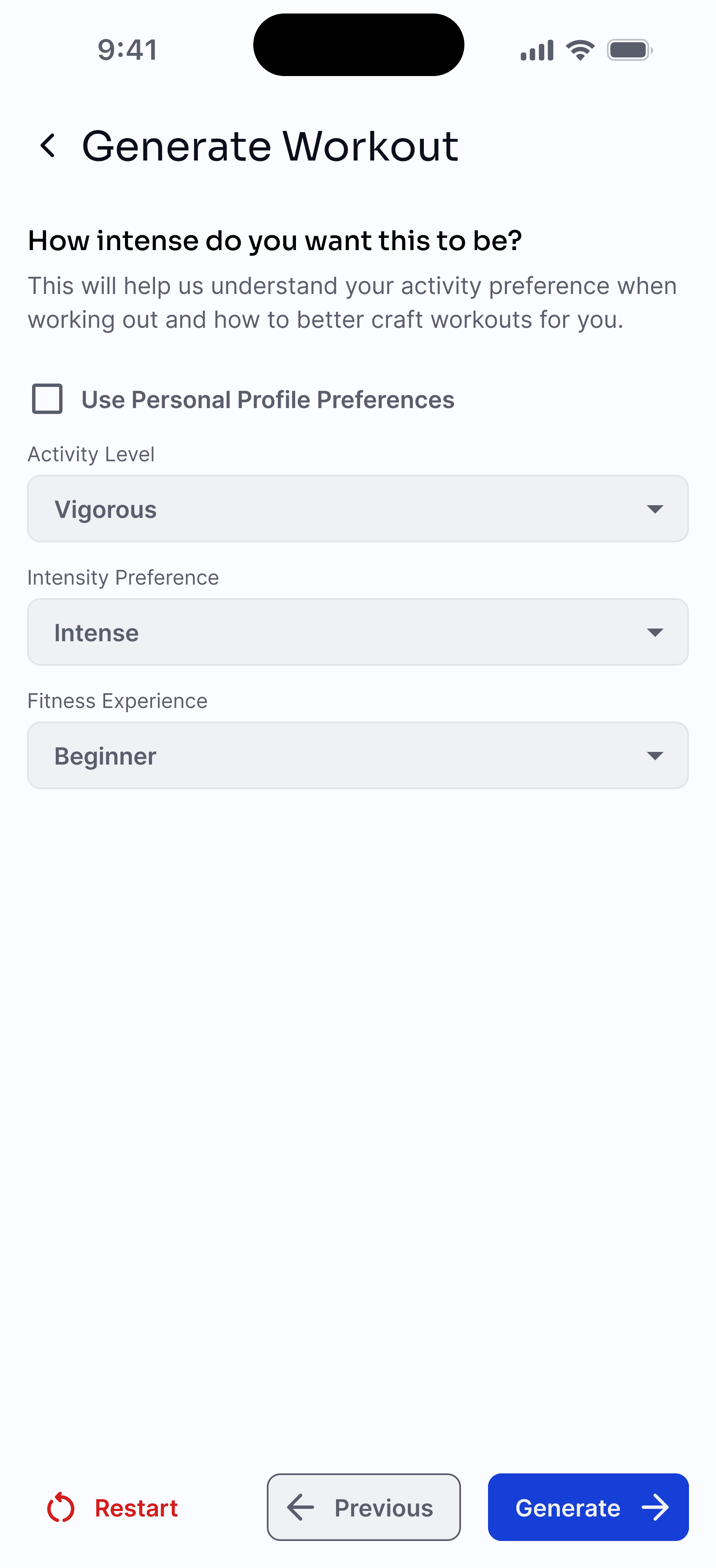
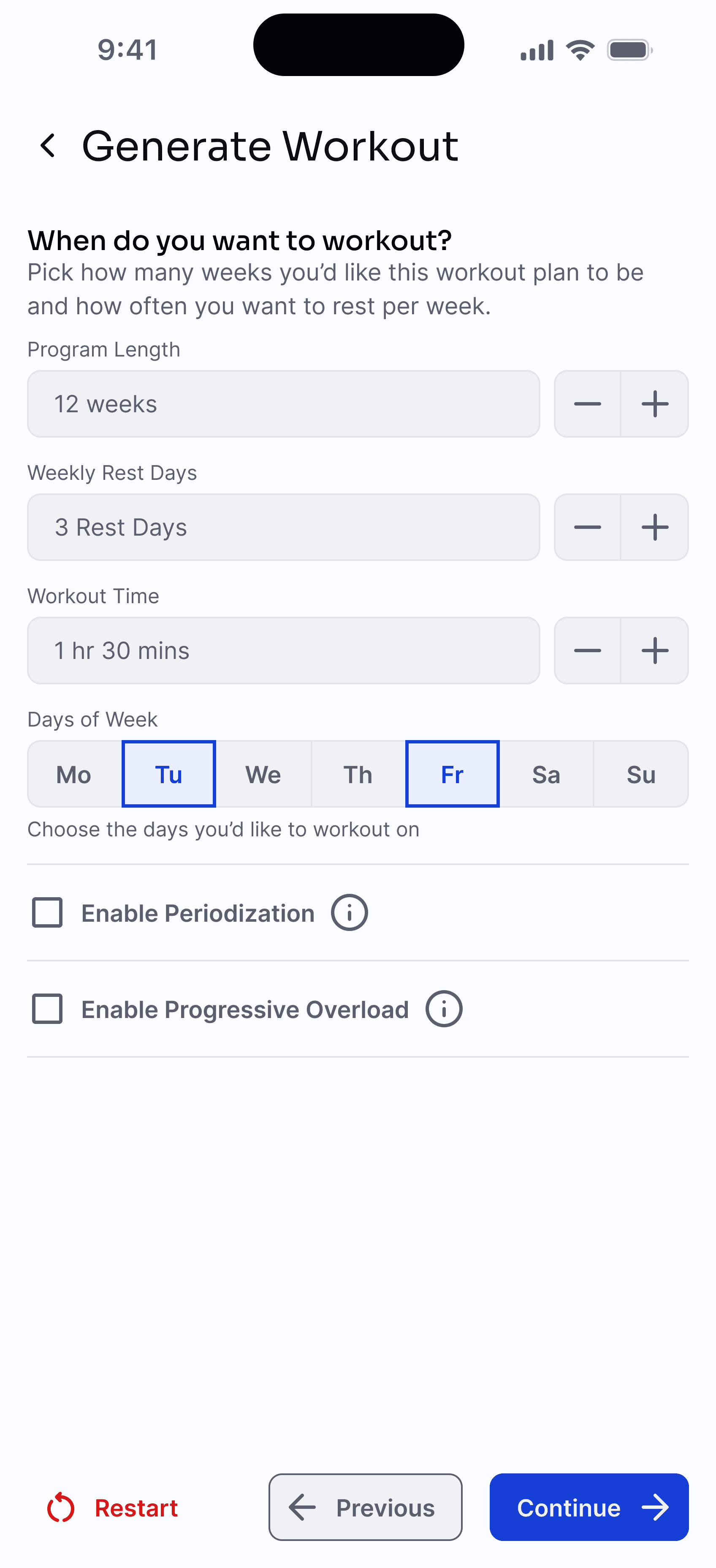
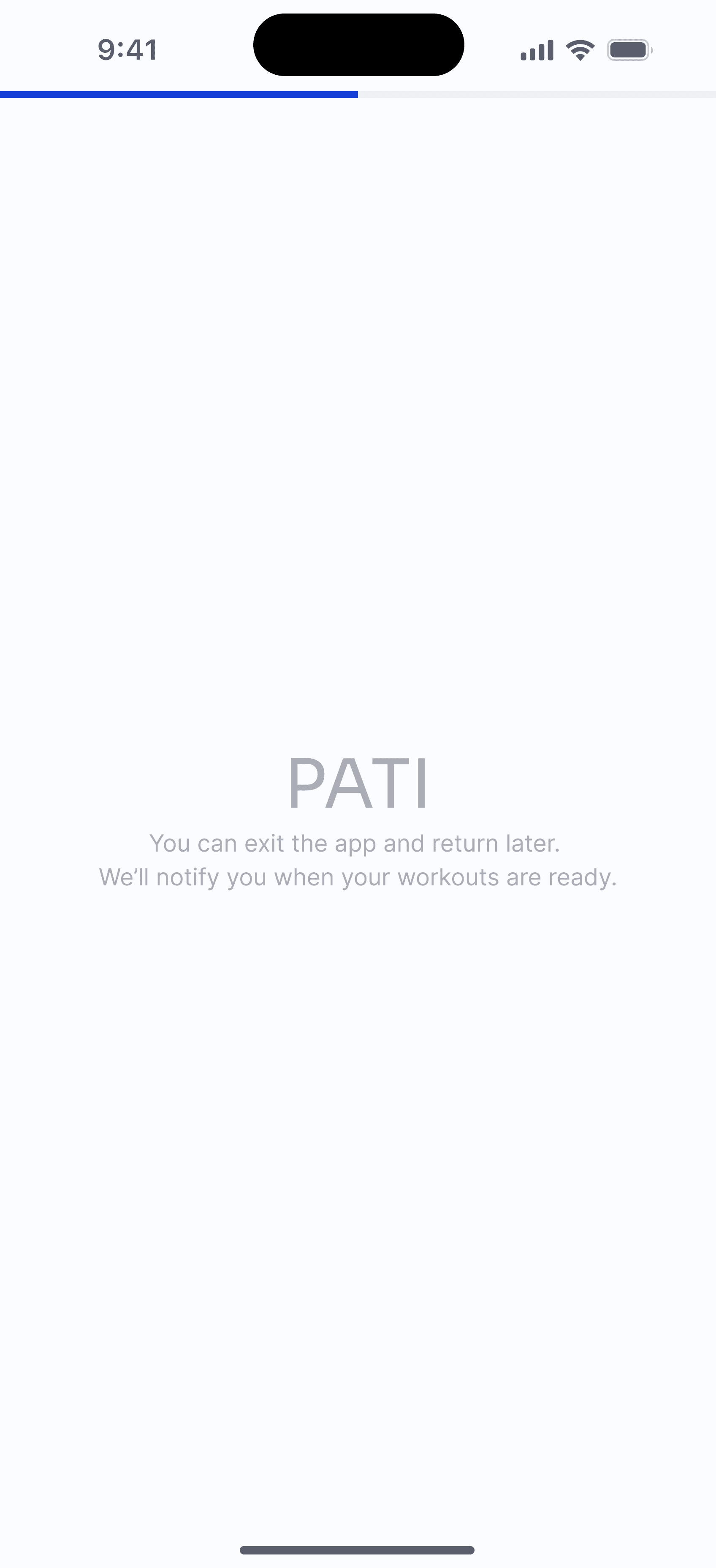
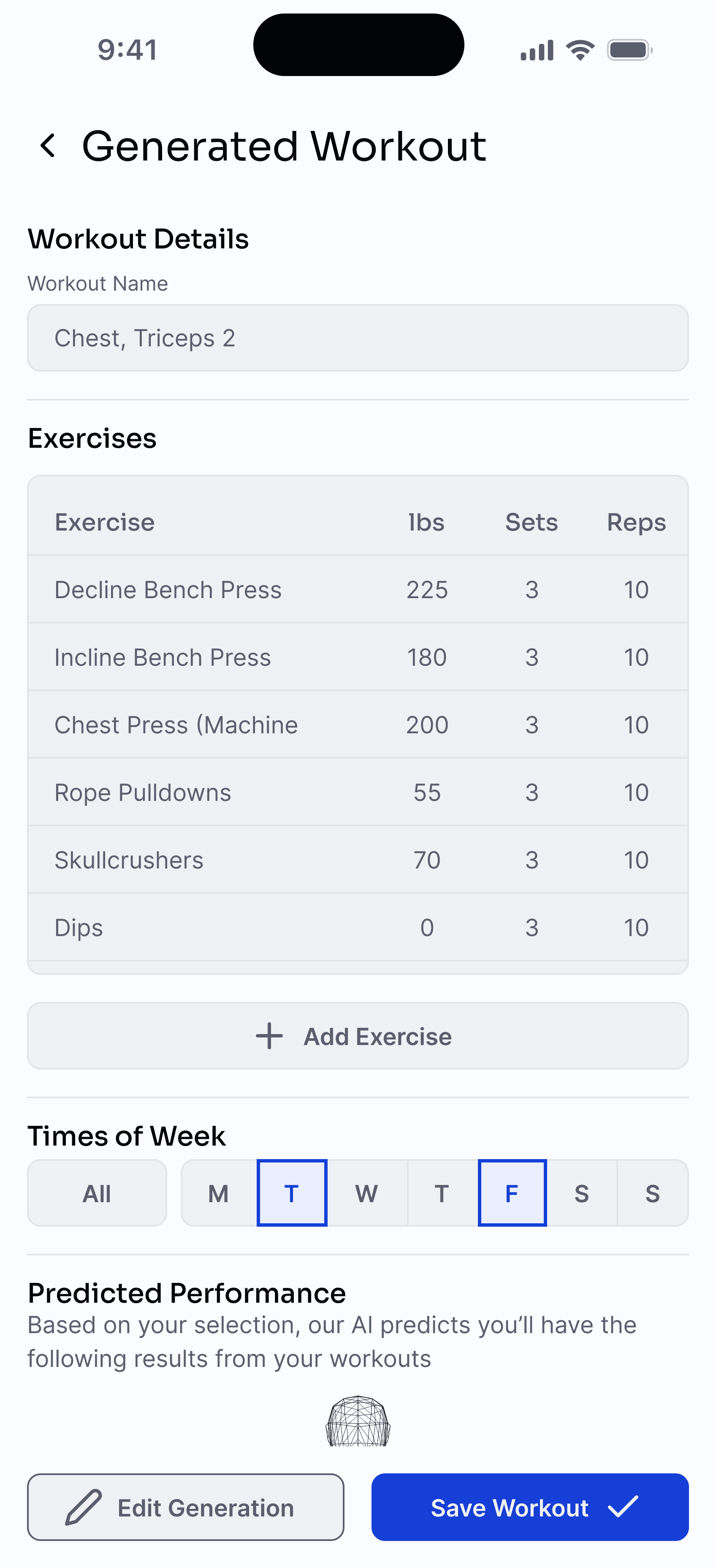
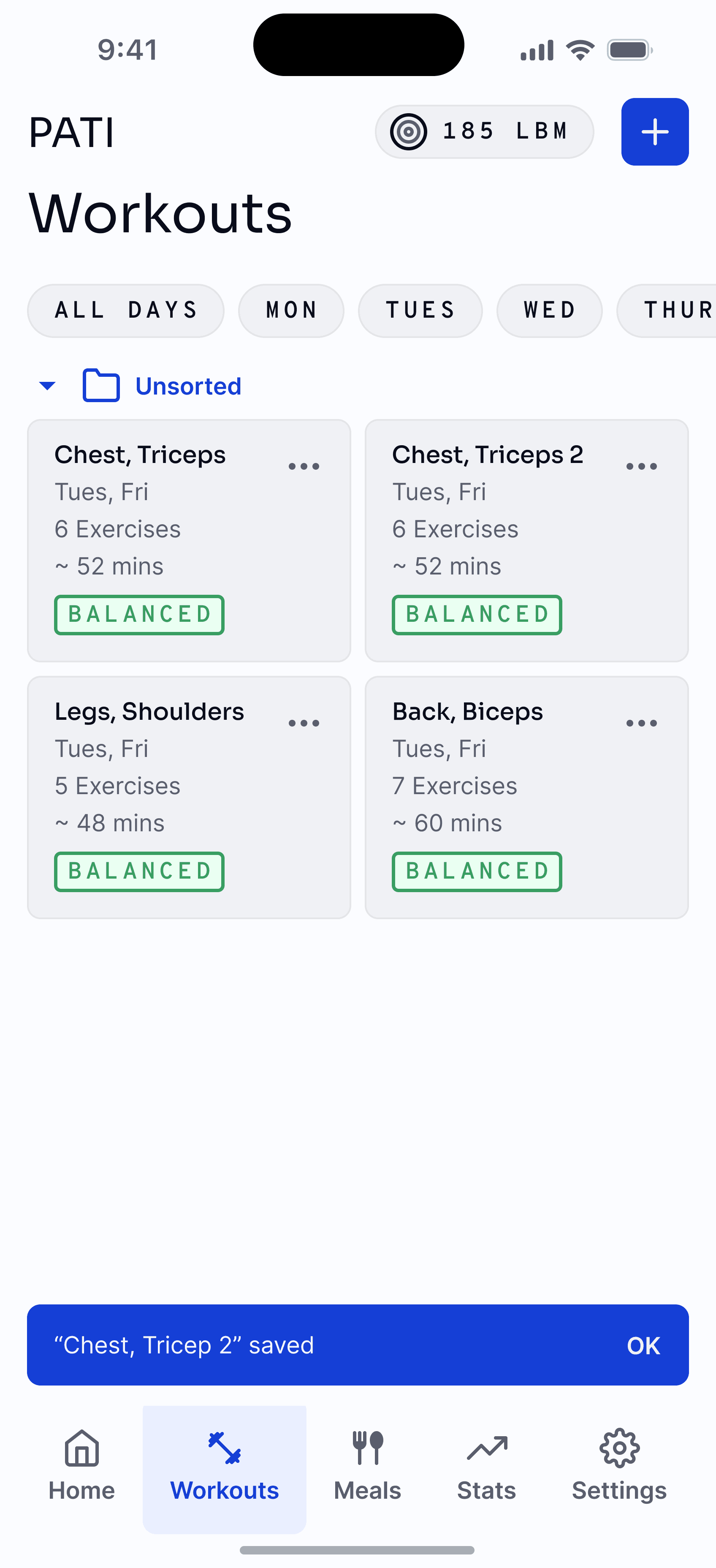
Below is the user flow for workout generation. Users generate a workout by tapping “+,” selecting “Generate,” and following the guided steps. While the workout is being created, they’re asked to wait and are notified if they leave the app. Once ready, they can save it or make edits. Saved workouts are added to the "Unsorted" folder by default.
Above is the user flow for goal-setting. Users can access their goals from any screen via the “Goal Unset” chip in the top-right. From there, they can configure current and target stats then, save their changes and either stay on the Goal Details page or return to the previous tab.
Below is the user flow for workout generation. Users generate a workout by tapping “+,” selecting “Generate,” and following the guided steps. While the workout is being created, they’re asked to wait and are notified if they leave the app. Once ready, they can save it or make edits. Saved workouts are added to the "Unsorted" folder by default.
Above is the user flow for goal-setting. Users can access their goals from any screen via the “Goal Unset” chip in the top-right. From there, they can configure current and target stats then, save their changes and either stay on the Goal Details page or return to the previous tab.
Below is the user flow for workout generation. Users generate a workout by tapping “+,” selecting “Generate,” and following the guided steps. While the workout is being created, they’re asked to wait and are notified if they leave the app. Once ready, they can save it or make edits. Saved workouts are added to the "Unsorted" folder by default.
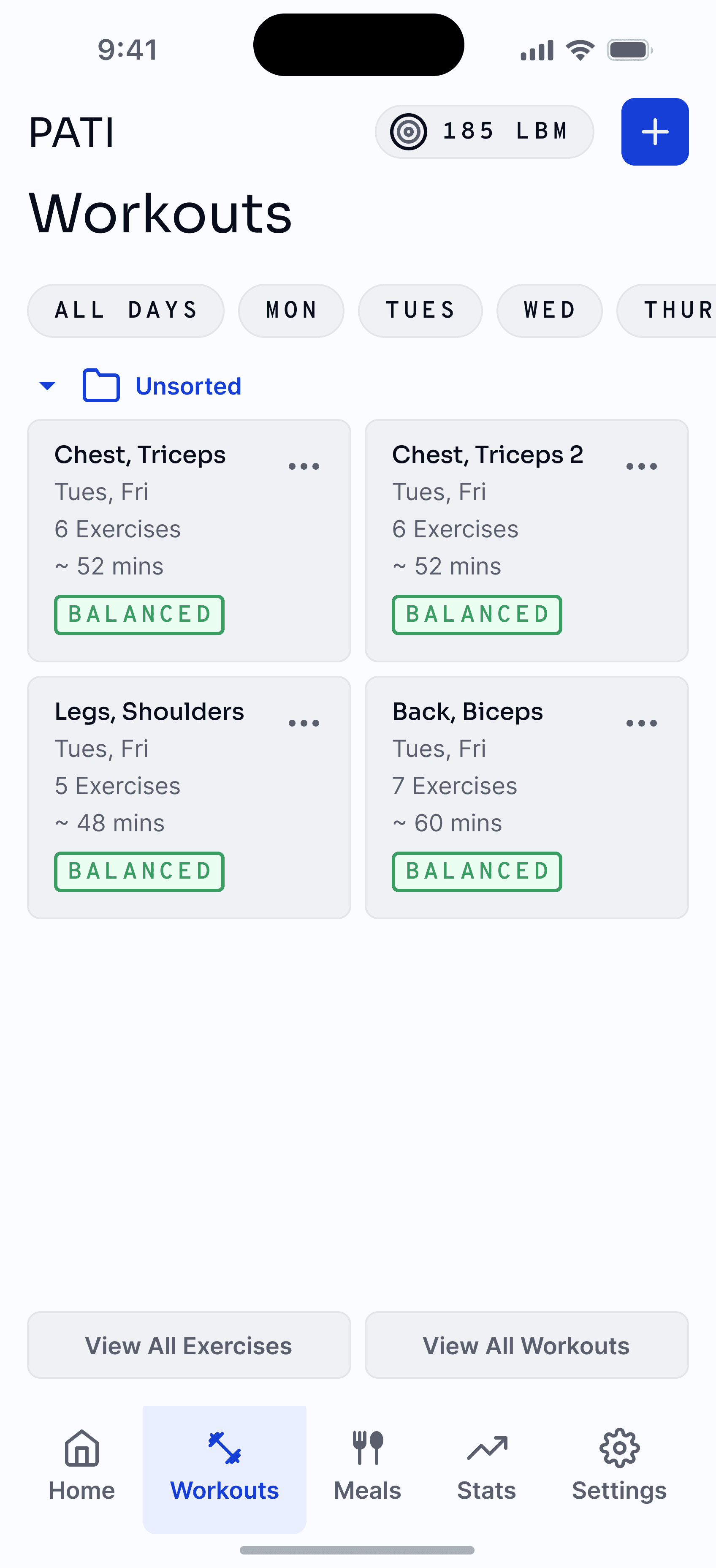
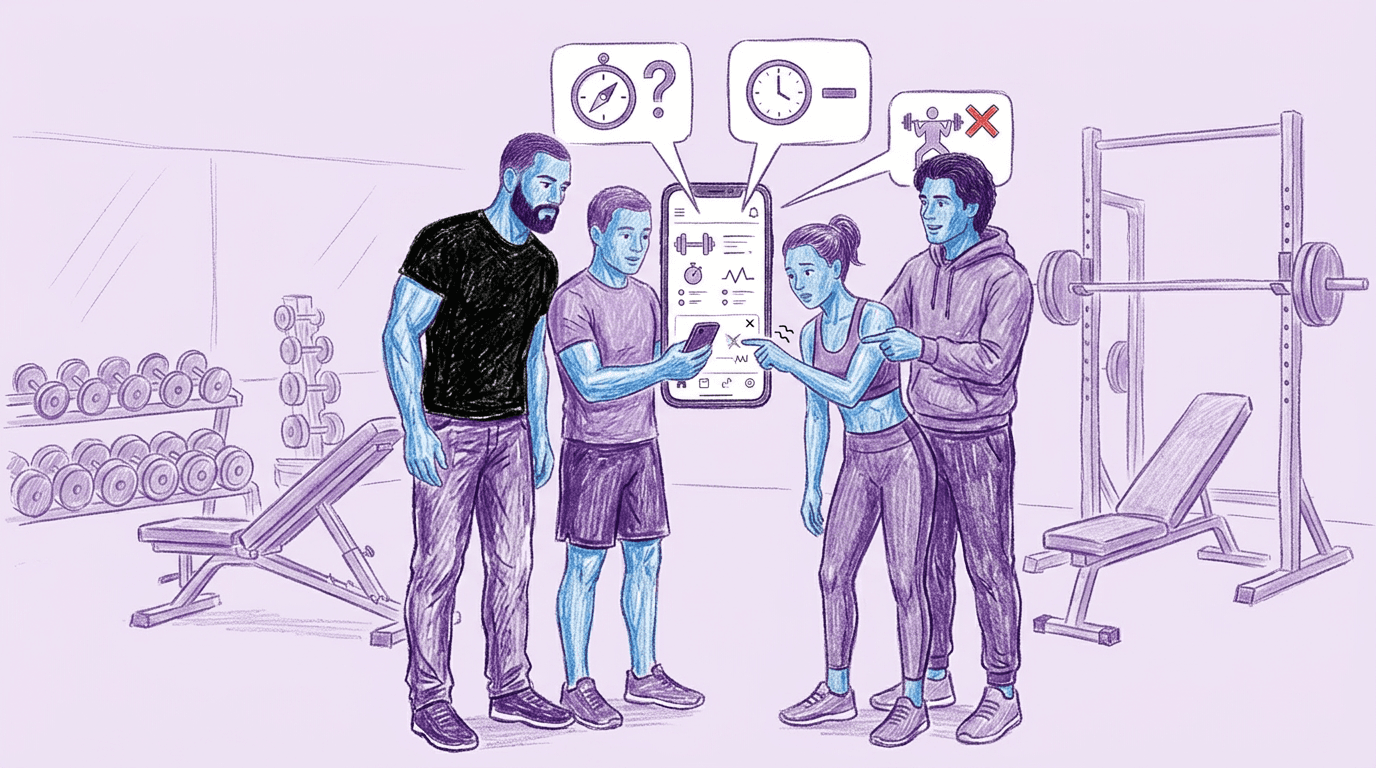
5 user-tests confirmed the goal-setter resonated; the tests brought 3 concrete improvements for the next iteration.
5 user-tests confirmed the goal-setter resonated; the tests brought 3 concrete improvements for the next iteration.
5 user-tests confirmed the goal-setter resonated; the tests brought 3 concrete improvements for the next iteration.
5 user-tests confirmed the goal-setter resonated; the tests brought 3 concrete improvements for the next iteration.
5 user-tests confirmed the goal-setter resonated; the tests brought 3 concrete improvements for the next iteration.
5 user-tests confirmed the goal-setter resonated; the tests brought 3 concrete improvements for the next iteration.
I conducted qualitative research face-to-face observing user's actions and how they interacted with the app. Here are some feedback points I got from the the tests:
I conducted qualitative research face-to-face observing user's actions and how they interacted with the app. Here are some feedback points I got from the the tests:
I conducted qualitative research face-to-face observing user's actions and how they interacted with the app. Here are some feedback points I got from the the tests:
Goal-setting's smart
Goal-setting's smart
Goal-setting's smart
Goal-setting's smart
Goal-setting's smart
"I don't know what I'm aiming for when I'm in the gym. The goal-setter makes things clear and easy to understand."
"I don't know what I'm aiming for when I'm in the gym. The goal-setter makes things clear and easy to understand."
"I don't know what I'm aiming for when I'm in the gym.
The goal-setter makes things clear and easy to understand."
Explore options?
Explore options?
Explore options?
Explore options?
Explore options?
"I want to see other people's workouts, how can I do that?"
"I want to see other people's workouts, how can I do that?"
Can I bring friends?
Can I bring friends?
Can I bring friends?
Can I bring friends?
Can I bring friends?
"I go to the gym with a group of friends; we like to push each other to grow. Can I invite my friends to the app?"
"I go to the gym with a group of friends; we like to push each other to grow. Can I invite my friends to the app?"
"I go to the gym with a group of friends; we like to push each other to grow.
Can I invite my friends to the app?"
Explore other UIs
Explore other UIs
Explore other UIs
Explore other UIs
Explore other UIs
"What if you could customize the look of the app? We choose our colours that match with our outfits and equipment—why not the app? That'd be cool."
"What if you could customize the look of the app? We choose our colours that match with our outfits and equipment—why not the app? That'd be cool."
Size it up
Size it up
Size it up
Size it up
Size it up
"I noticed my thumbs are too big for the buttons—is there any way you can make it bigger? If I was using this in the gym, I don't want to be distracted."
"I noticed my thumbs are too big for the buttons—is there any way you can make it bigger? If I was using this in the gym, I don't want to be distracted."
"I noticed my thumbs are too big for the buttons—is there any way you can make it bigger?
If I was using this in the gym, I don't want to be distracted."
From the feedback, 3 improvements emerged:
Touch targets were too small for gym use. I explored bigger touch targets.
Users wanted to see other people's workouts; I added a friends and explore page to elaborate on.
UI customization surfaced an interesting tension between personalization and product focus. It added to the sense of ownership users wanted over their fitness world. I added the consideration to the Settings page with pre-fixed colour profiles to choose from.
From the feedback, 3 improvements emerged:
Touch targets were too small for gym use. I explored bigger touch targets.
Users wanted to see other people's workouts; I added a friends and explore page to elaborate on.
UI customization surfaced an interesting tension between personalization and product focus. It added to the sense of ownership users wanted over their fitness world. I added the consideration to the Settings page with pre-fixed colour profiles to choose from.
From the feedback, 3 improvements emerged:
Touch targets were too small for gym use. I explored bigger touch targets.
Users wanted to see other people's workouts; I added a friends and explore page to elaborate on.
UI customization surfaced an interesting tension between personalization and product focus. It added to the sense of ownership users wanted over their fitness world. I added the consideration to the Settings page with pre-fixed colour profiles to choose from.
From the feedback, 3 improvements emerged:
Touch targets were too small for gym use. I explored bigger touch targets.
Users wanted to see other people's workouts; I added a friends and explore page to elaborate on.
UI customization surfaced an interesting tension between personalization and product focus. It added to the sense of ownership users wanted over their fitness world. I added the consideration to the Settings page with pre-fixed colour profiles to choose from.
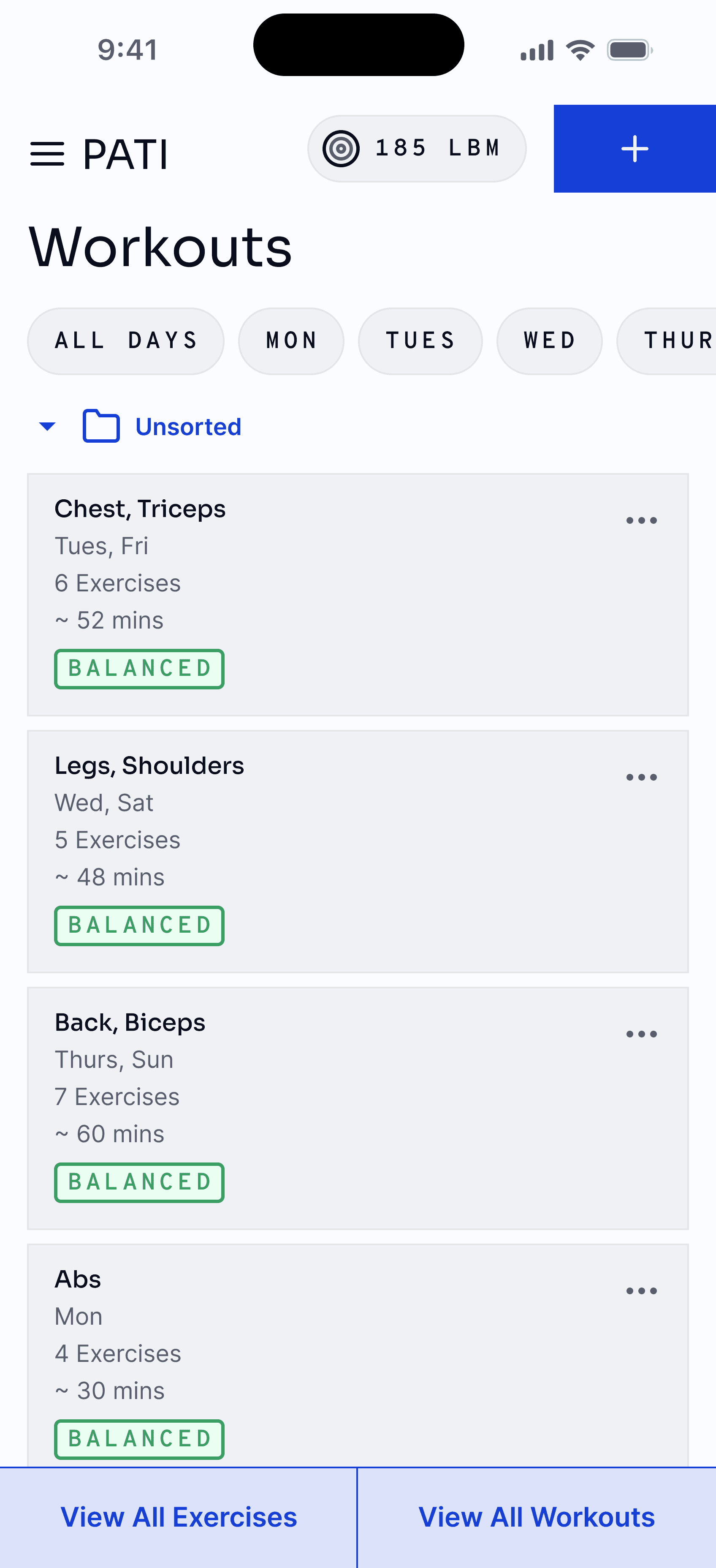
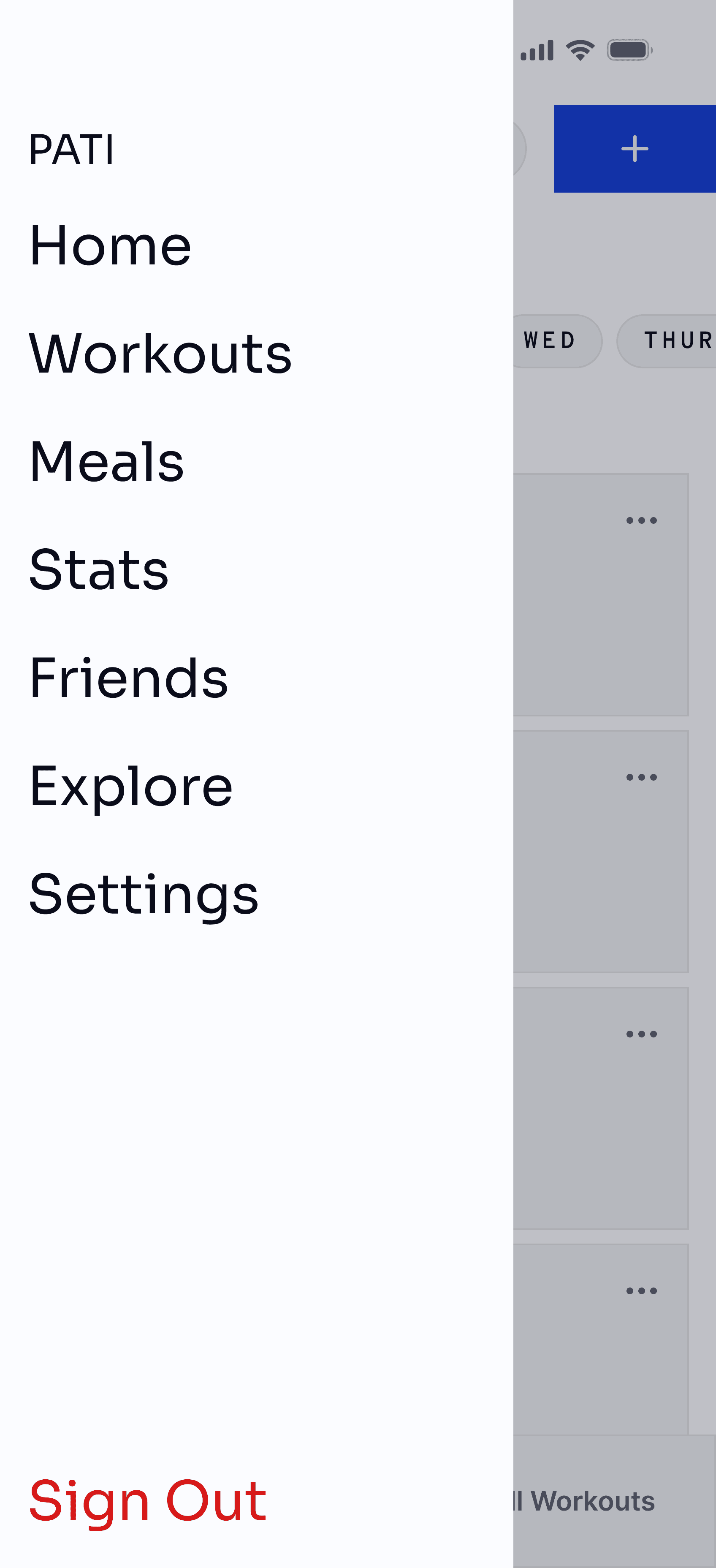
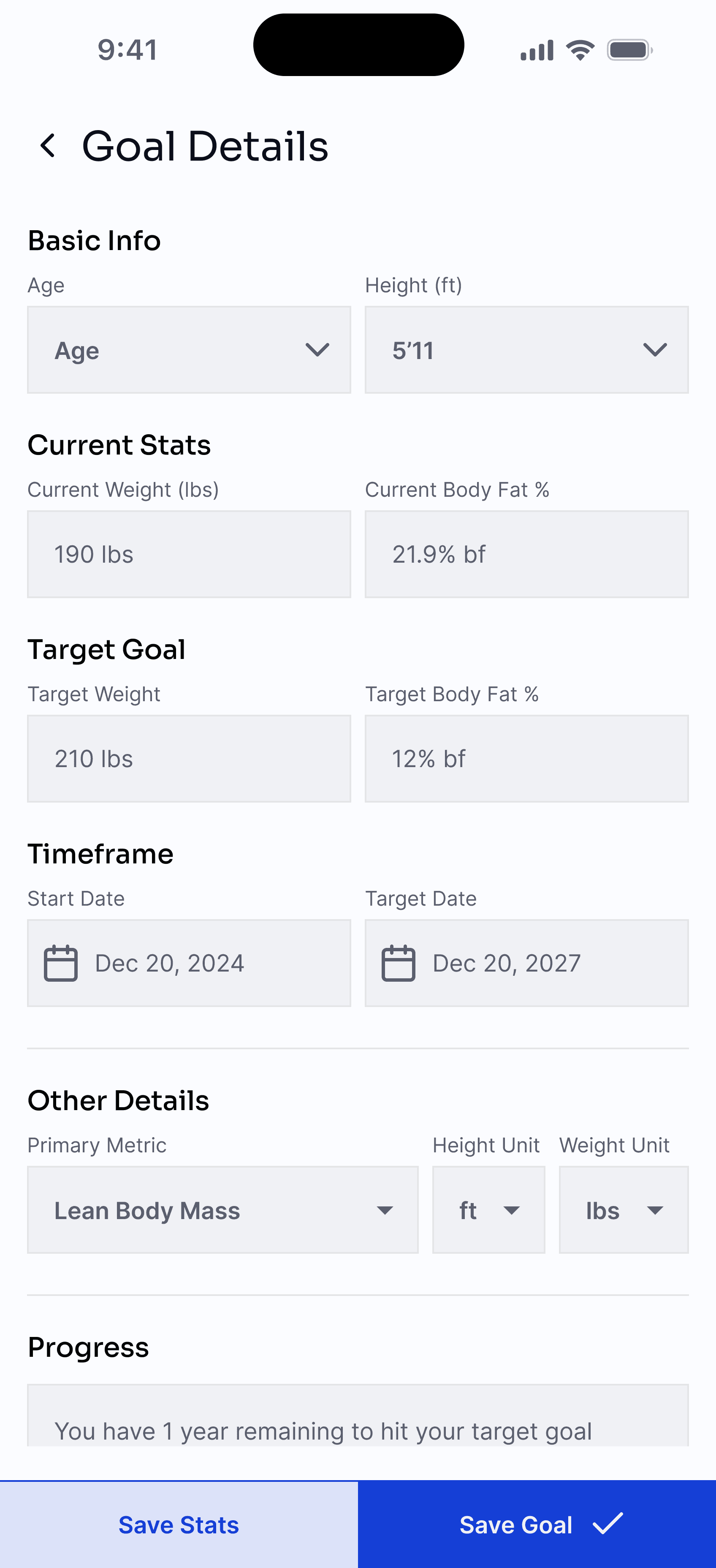
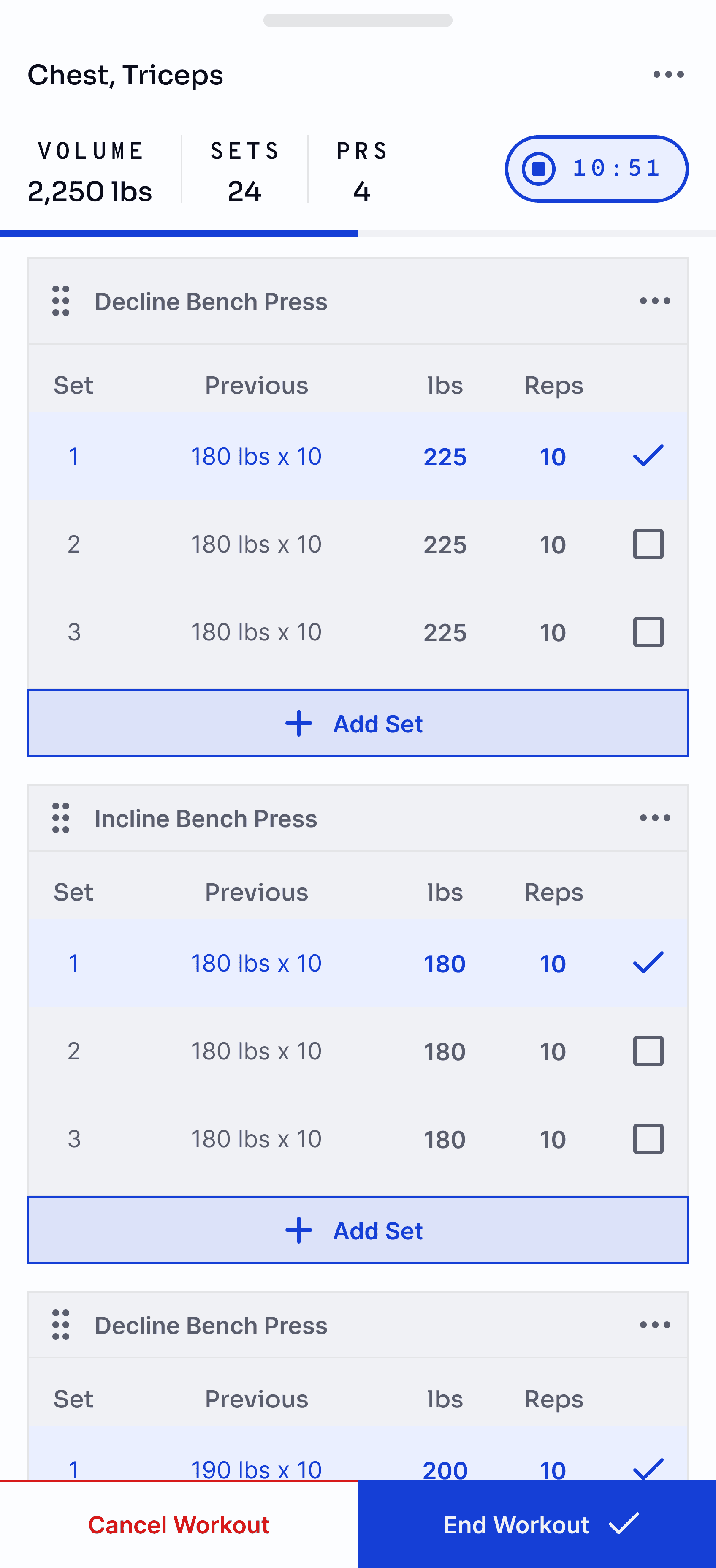
A hypothetical redesign based on the feedback from the first round of user tests.
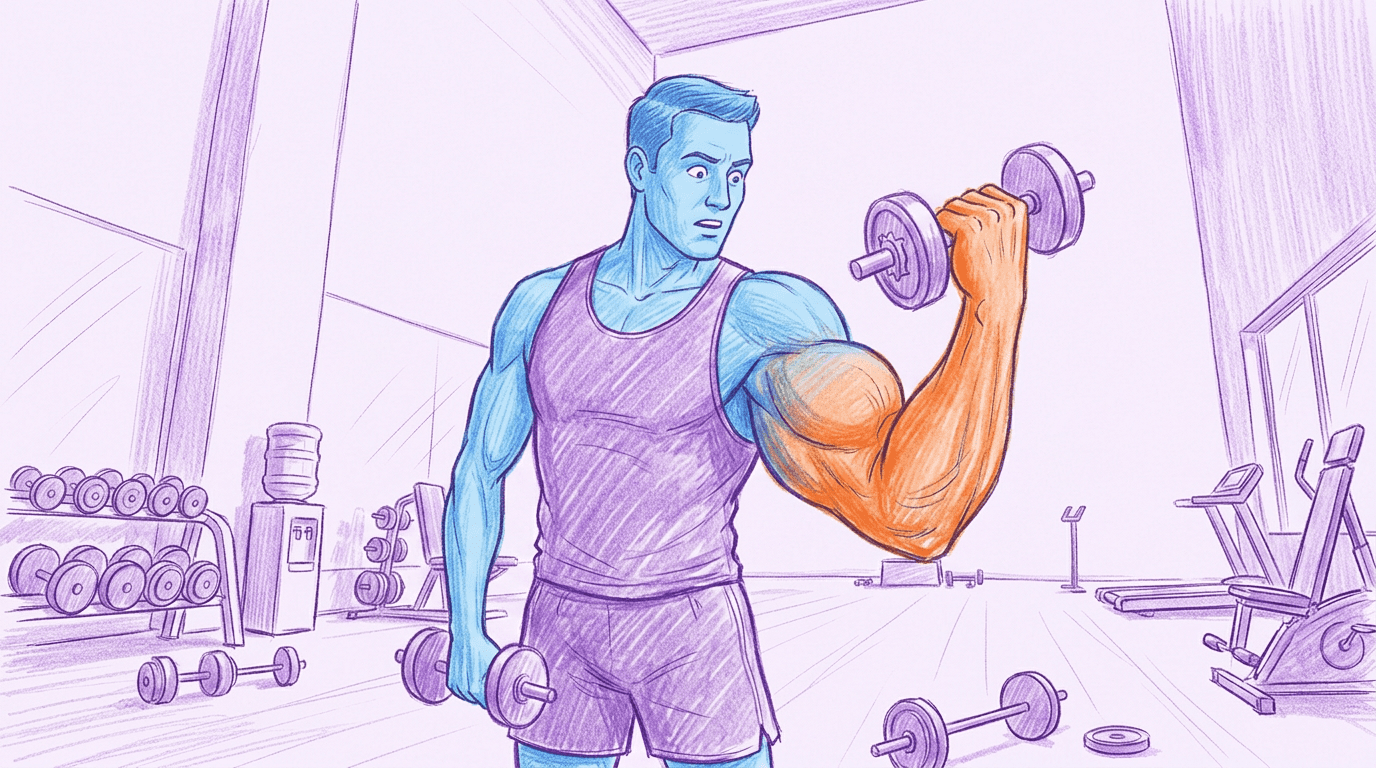
The MVP validated the hypothesis; goal-connected fitness is a real gap and users saw the value in solving it.
The MVP validated the hypothesis; goal-connected fitness is a real gap and users saw the value in solving it.
The MVP validated the hypothesis; goal-connected fitness is a real gap and users saw the value in solving it.
The MVP validated the hypothesis; goal-connected fitness is a real gap and users saw the value in solving it.
The MVP validated the hypothesis; goal-connected fitness is a real gap and users saw the value in solving it.
The MVP validated the hypothesis; goal-connected fitness is a real gap and users saw the value in solving it.
assets
assets
assets
Brand Identity
Design System
Mockups
User Flows
Prototype
MVP
Research Report
Business Model
User Tests
Brand Identity
Design System
Mockups
User Flows
Prototype
MVP
Research Report
Business Model
User Tests
Brand Identity
Design System
Mockups
User Flows
Prototype
MVP
Research Report
Business Model
User Tests
Brand Identity
Design System
Mockups
User Flows
Prototype
MVP
Research Report
Business Model
User Tests
Brand Identity
Design System
Mockups
User Flows
Prototype
MVP
Research Report
Business Model
User Tests
impact
impact
impact
+50 lbs gained
+50 lbs gained
+50 lbs gained
+50 lbs gained
Using the system, I gained over 50 lbs of lean muscle sustainably.
Using the system, I gained over 50 lbs of lean muscle sustainably.
+1 MVP built
+1 MVP built
+1 MVP built
+1 MVP built
Fully functional build in Cursor covering goal-setting and AI workout generation, informed by user test findings.
Fully functional build in Cursor covering goal-setting and AI workout generation, informed by user test findings.
+5 clients
+5 clients
+5 clients
+5 clients
User feedback drove a meaningful redesign: larger touch targets, simplified UI, reduced density for gym-context usability. They also became future clients as the app continues to grow.
User feedback drove a meaningful redesign: larger touch targets, simplified UI, reduced density for gym-context usability. They also became future clients as the app continues to grow.
+1 validated concept
+1 validated concept
+1 validated concept
+1 validated concept
Users like the goal-setting idea; positive feedback confirmed the feature addressed a real unmet need.
Users like the goal-setting idea; positive feedback confirmed the feature addressed a real unmet need.